Neighborhoods
Twelve barrios, twelve characters
Seville changes personality every few hundred metres. These are the districts worth your hours — each with its history, its addresses and the time it deserves.
The barrios
Where to spend your time
Tap a barrio to open its story, its addresses and how long to give it.
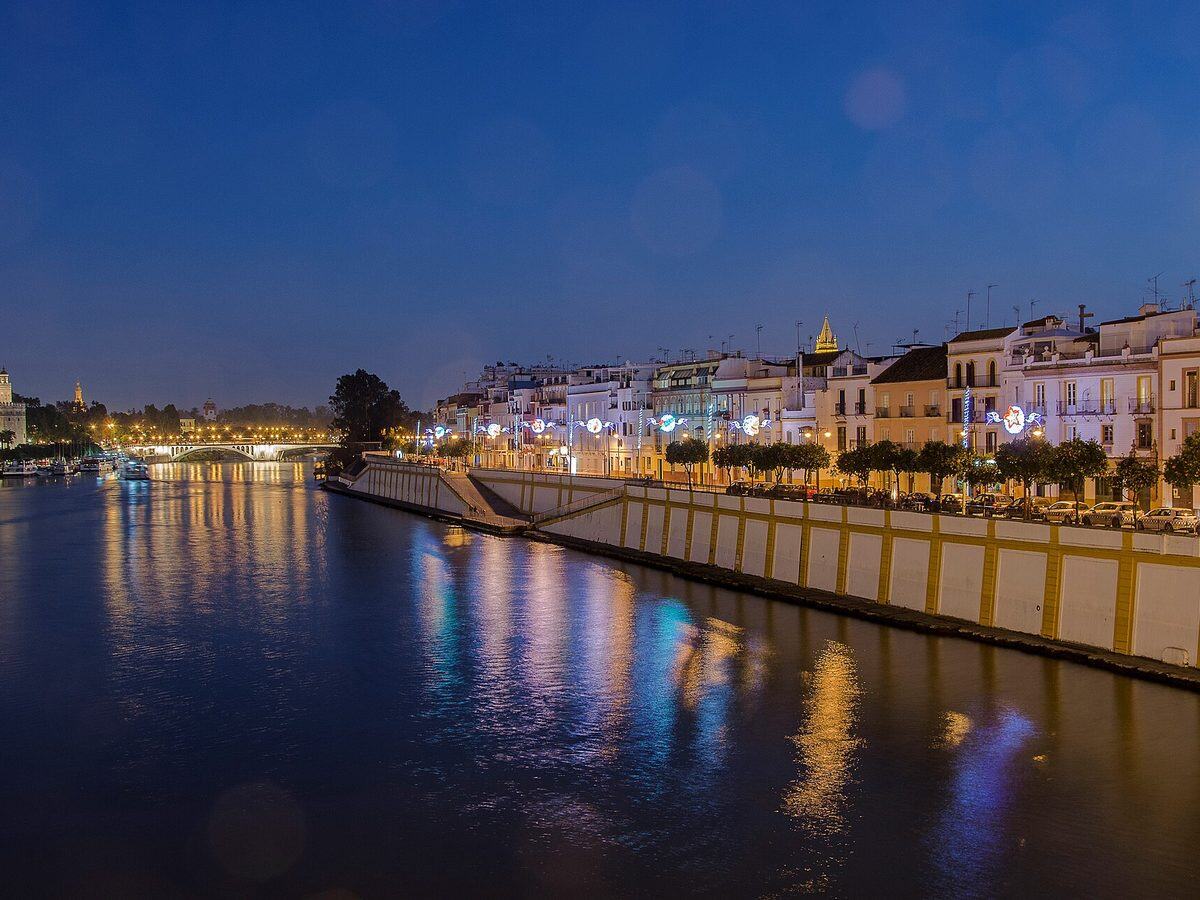
Across the river and, for centuries, a world of its own — a barrio of potters, sailors, bullfighters and flamenco families that only became part of the city administratively. The tile kilns on Calle San Jorge still work, the Esperanza de Triana is loved with an intensity that has nothing to do with tourism, and Calle Betis gives you the finest view of the old town from the outside looking in.
- Iglesia de Santa Ana, the 13th-century 'cathedral of Triana'
- Mercado de Triana over the ruins of the Castillo de San Jorge
- Calle Betis at dusk and the iron Puente de Isabel II
- Paco España (the old Casa Anselma corner) after midnight: real sevillanas
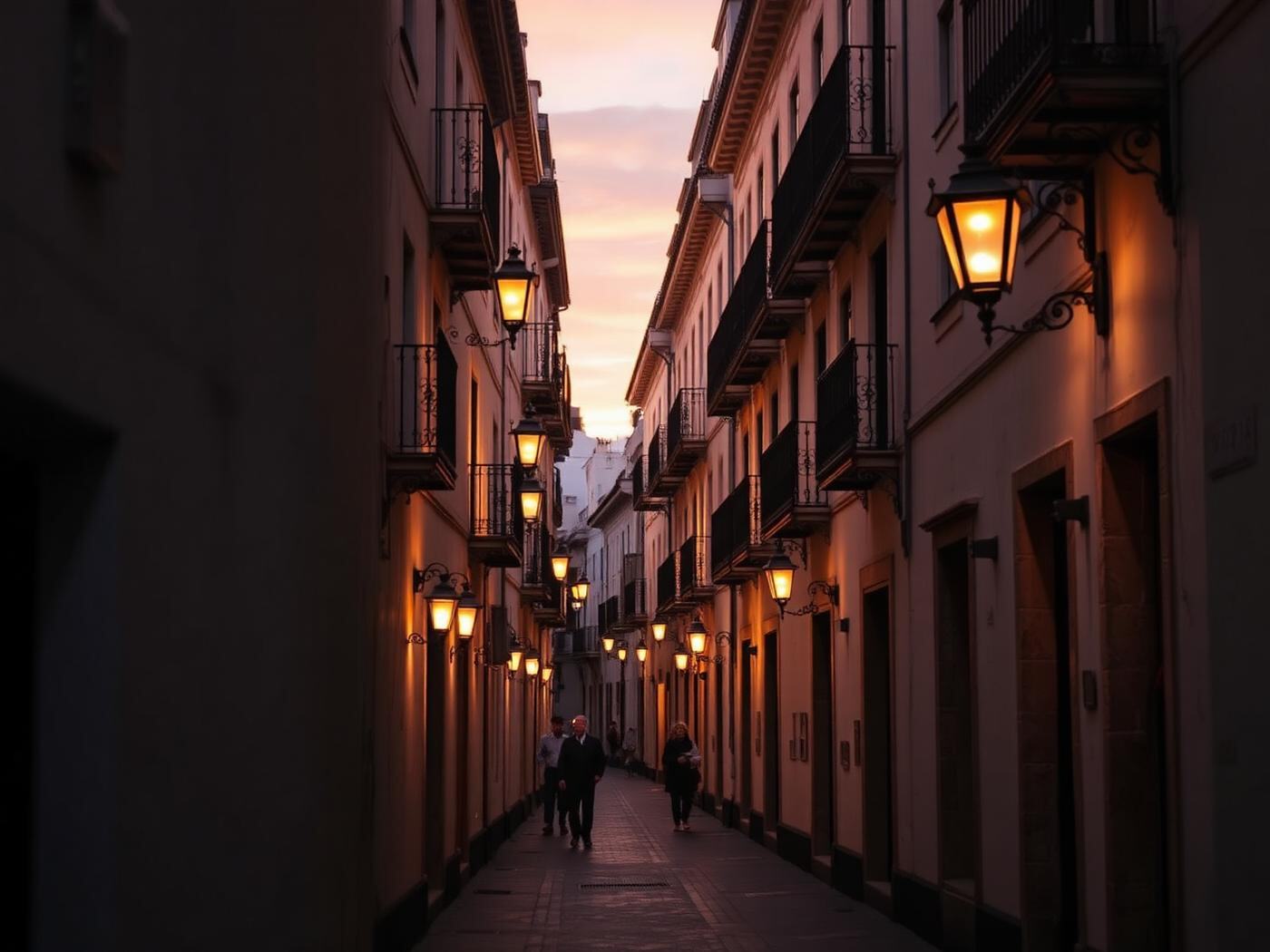
The medieval Jewish quarter turned into the postcard of Seville: whitewashed alleys barely wide enough for two, geraniums on iron balconies, hidden plazas that appear without warning. It is the most visited part of the city, which is exactly why the hour you choose matters more than the route.
- Calle Agua and the walls of the Alcázar gardens
- Plaza de Doña Elvira and Plaza de Santa Cruz
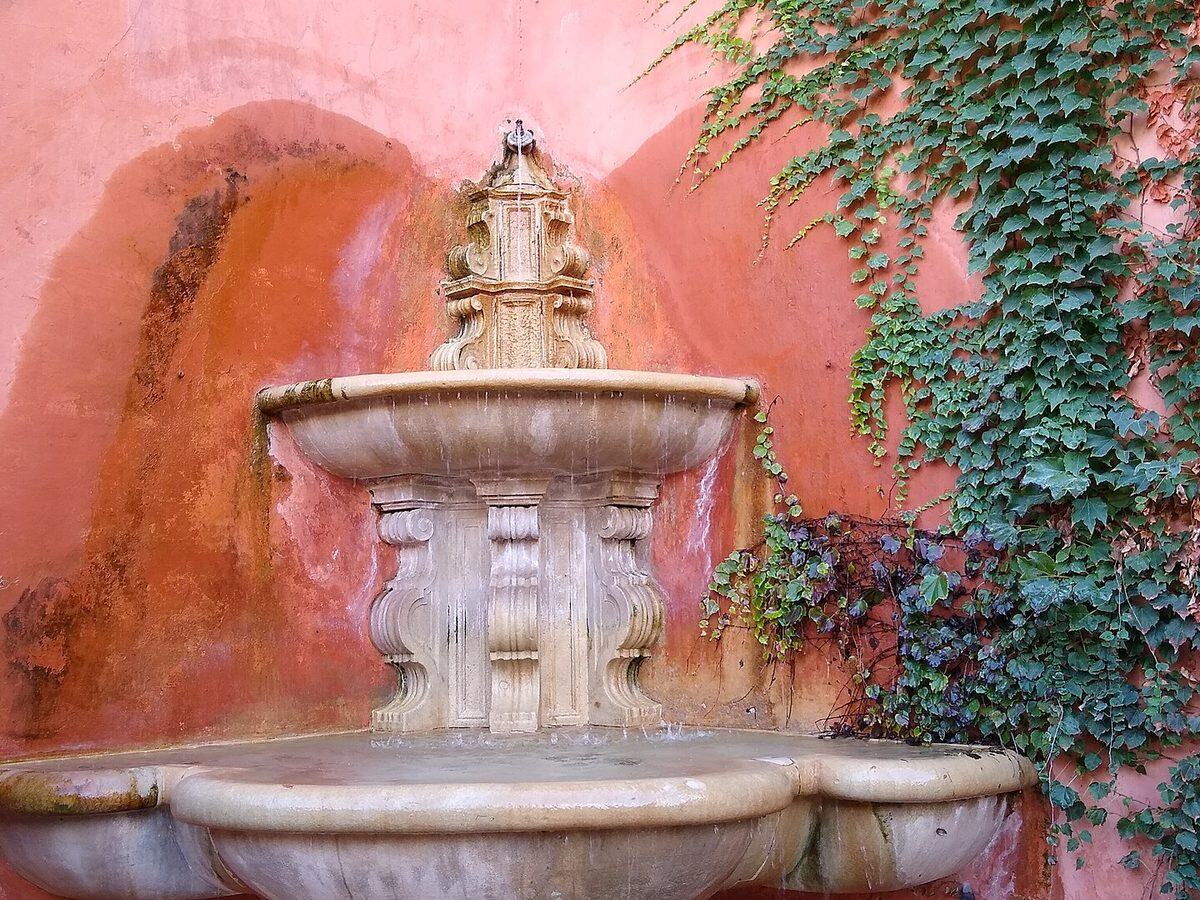
- Hospital de los Venerables, a Baroque courtyard with water in the middle
- Casa de Salinas, a private house with a Roman mosaic
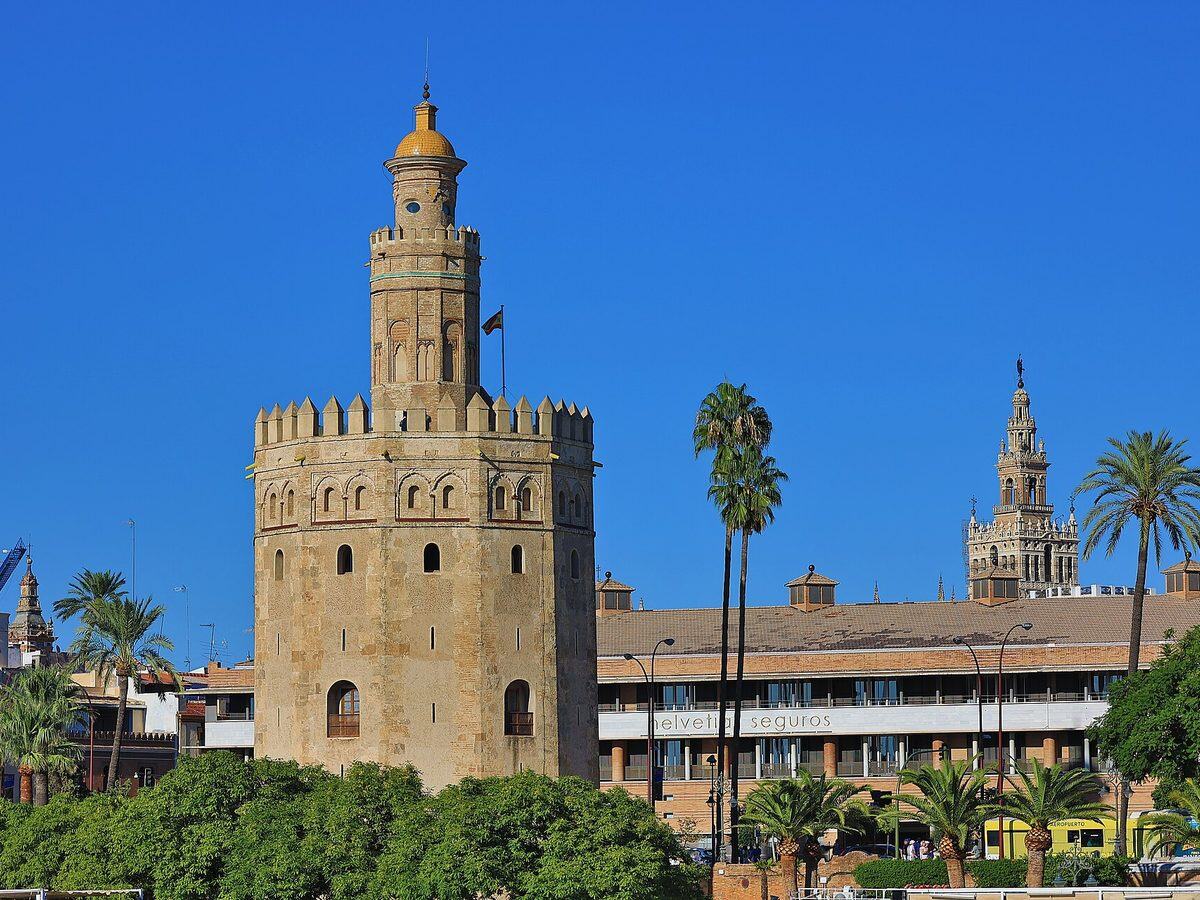
The old sandy riverbank where the ships of the Indies unloaded the wealth of an empire. Today it is the barrio of the Maestranza bullring, the Torre del Oro and the theatre — grand on the river side, working and local one street inland.
- Plaza de Toros de la Maestranza and its museum
- Torre del Oro and the riverside walk to Puente de Triana
- Mercado del Arenal: fish, a counter and a beer at noon
- Hospital de la Caridad, with Murillos still in the chapel
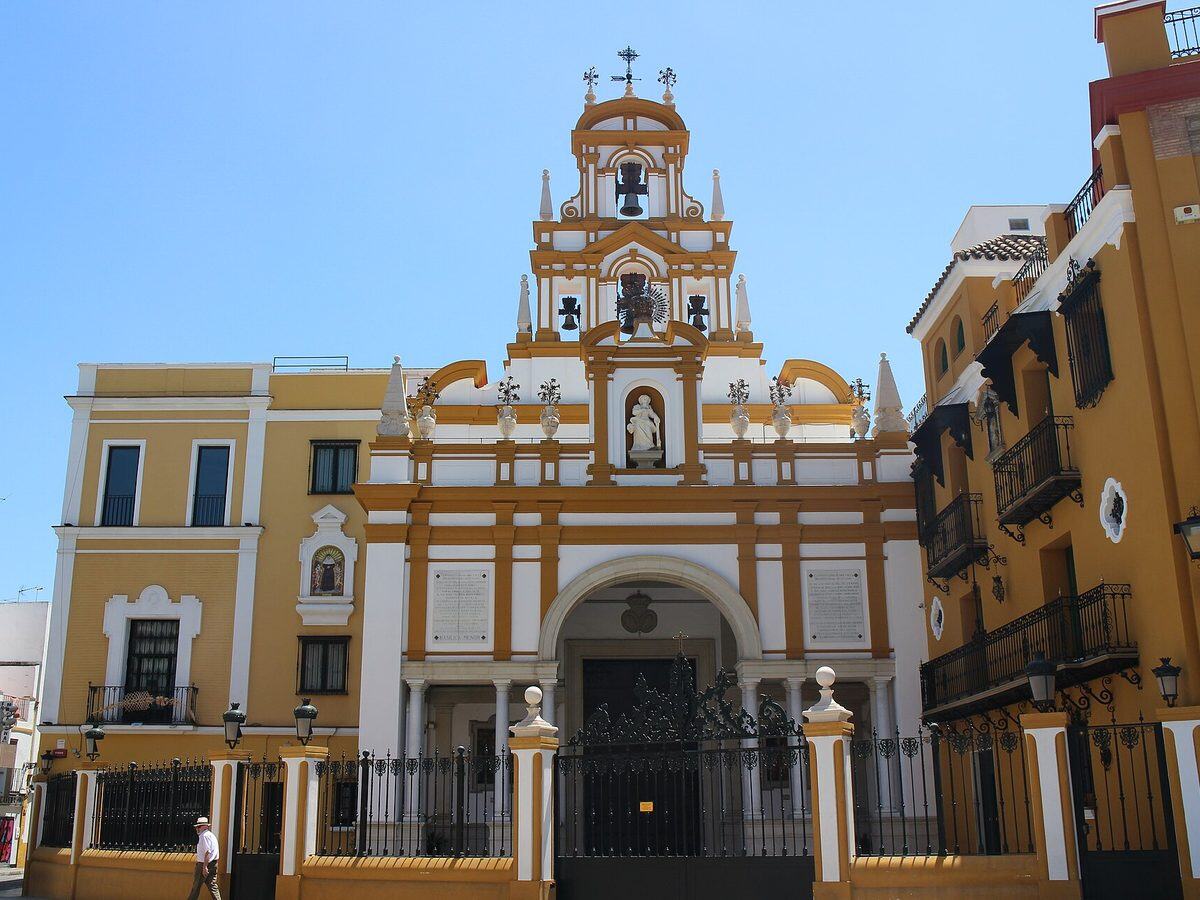
North of the centre, behind the longest surviving stretch of Almohad city wall. This is the most devout barrio in Seville — the Macarena Virgin is its heart — and also the one changing fastest, with young kitchens and wine bars opening between convents and bodegas that have not changed in fifty years.
- Basílica de la Macarena and the Almohad walls
- San Luis de los Franceses, a circular Jesuit church, pure theatre
- Mercado de Feria, the oldest in the city, with a bar in the middle
- Calle Feria on Thursday: El Jueves flea market since the 13th century
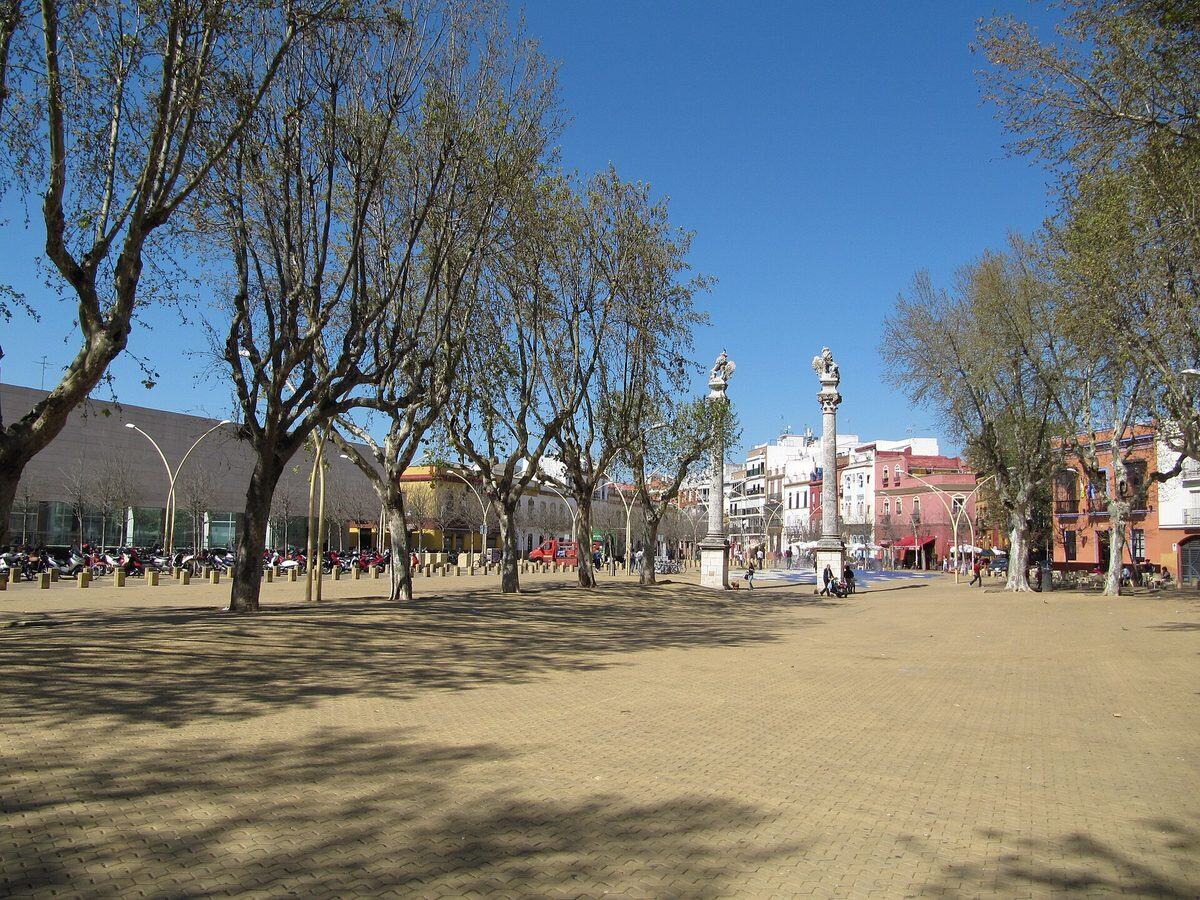
A drained marsh turned promenade in 1574, with two Roman columns dragged here from a temple. For a long time it was the city's rough edge; now it is the most open, alternative and lively square in Seville, where the terraces stay full until the small hours and nobody dresses up.
- The Roman columns of Hercules and Julius Caesar
- Sunday morning market and the skateboarders at the north end
- Bicicletería: unmarked door, ring the bell for cocktails
- Calle Amor de Dios and Calle Trajano for the best bar-hopping
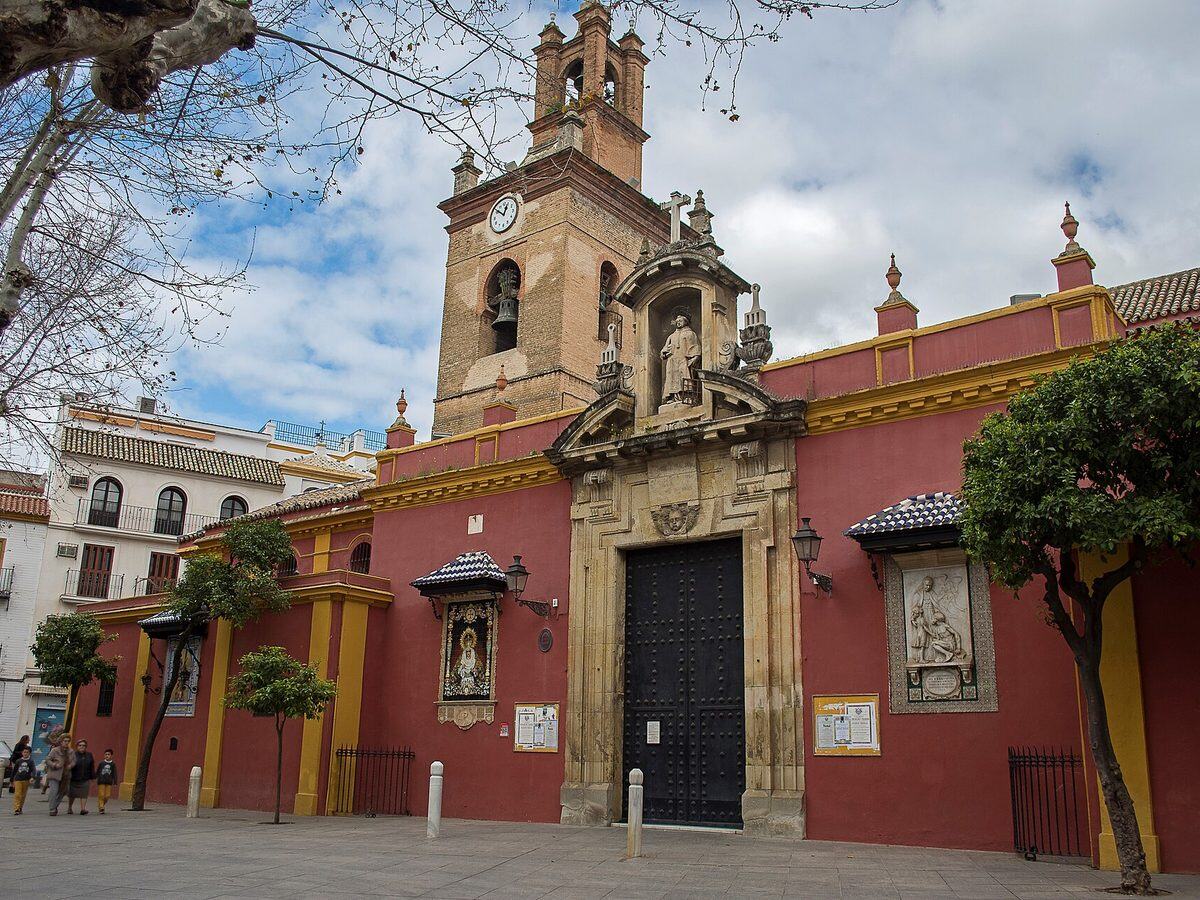
The barrio the well-to-do sevillanos never left: low elegant houses, a shaded square, and the Basílica del Gran Poder, where people queue at midnight on Thursdays simply to speak to a statue. Ten minutes from the crowds and almost nobody finds it.
- Basílica de Jesús del Gran Poder
- Plaza de San Lorenzo, orange trees and neighbourhood benches
- Az-Zait for modern Andalusian cooking
- Casa Ricardo's spinach with chickpeas, five minutes north
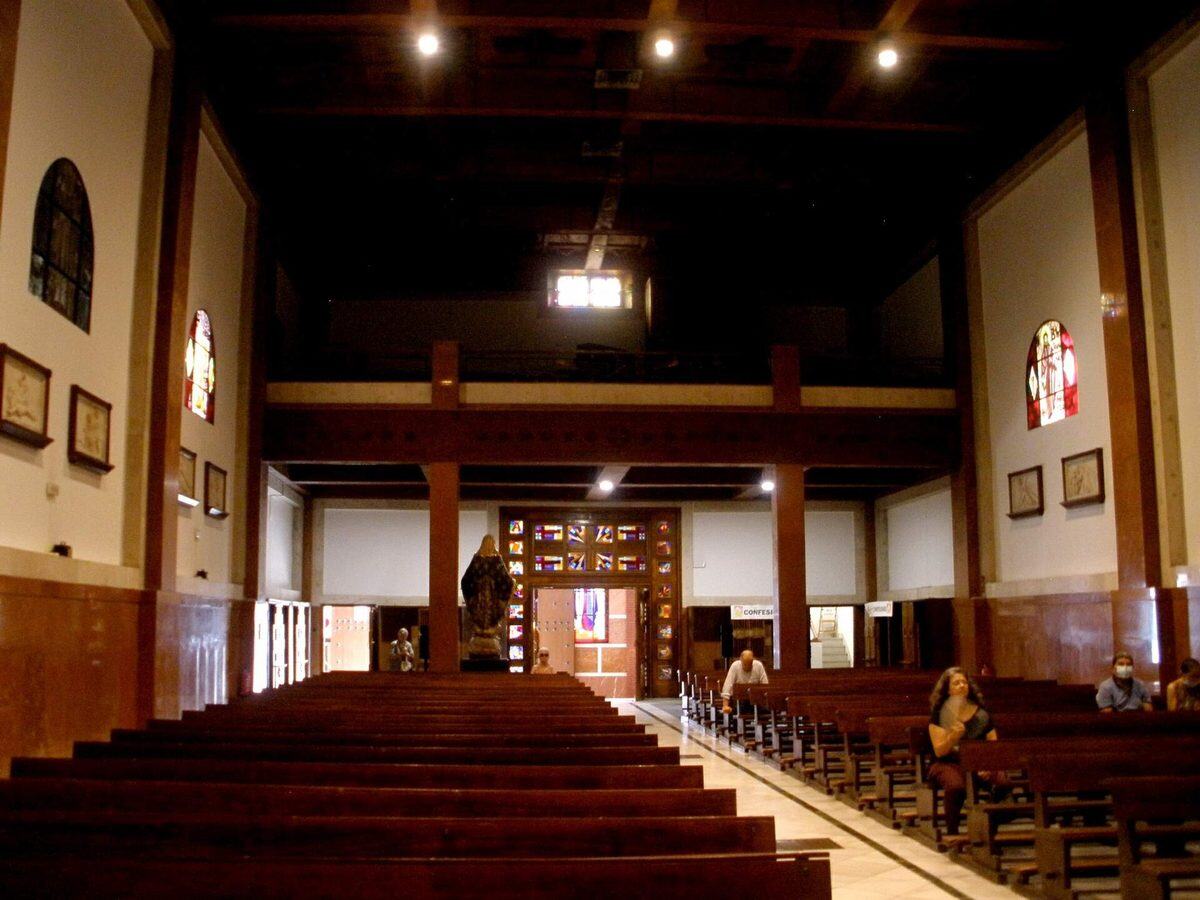
A quiet grid of convents, palaces and tiled courtyards between the Museo de Bellas Artes and the old city wall. There is little to 'do' here, which is the point: this is where you understand what a Sevillian street sounds like when there is nobody on it.
- Museo de Bellas Artes, Zurbarán and Murillo in a former convent
- Convento de Santa Clara and the Torre de Don Fadrique
- Calle Cardenal Cisneros and its courtyard doorways
- Cañabota, Michelin-starred fish cooked over coals
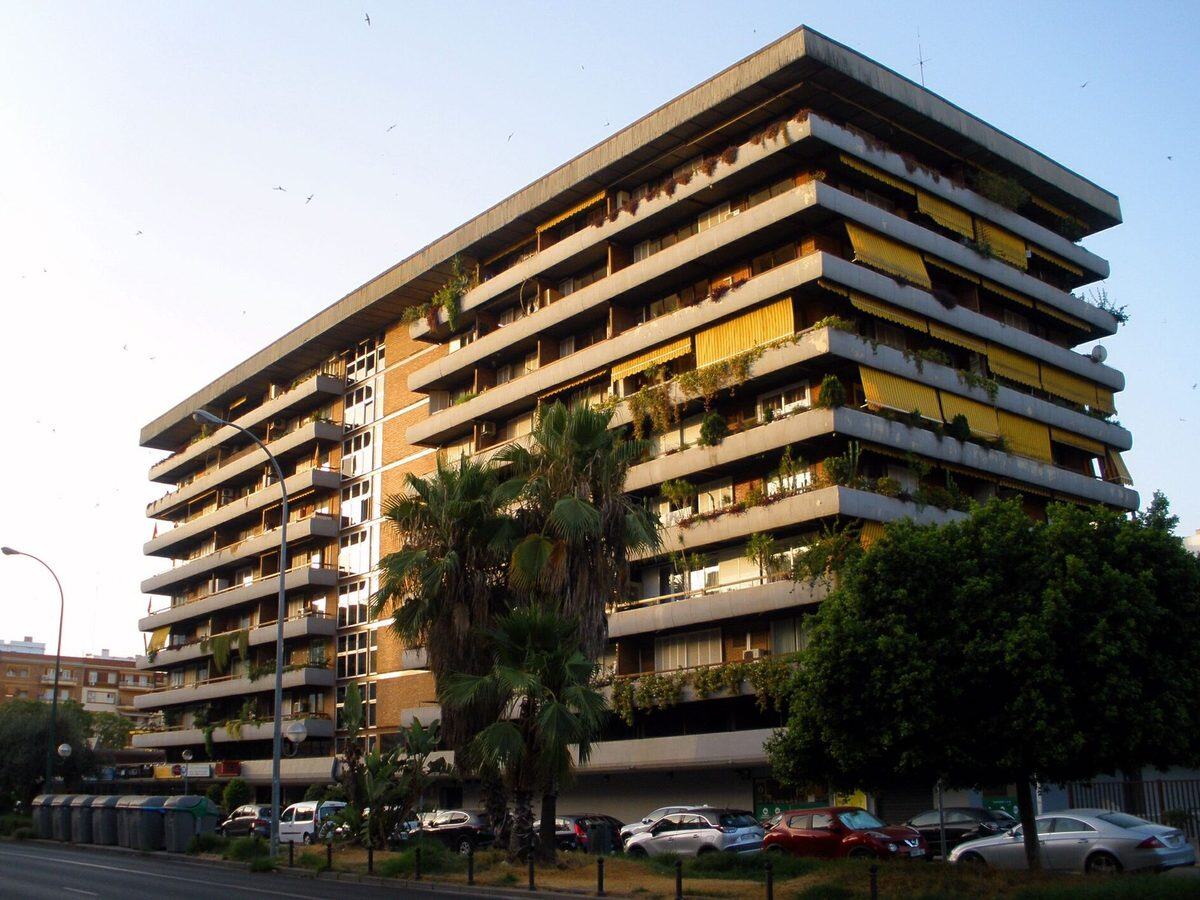
The Seville that lives here rather than visits: 1960s and 70s apartment blocks, wide avenues, the Sánchez Pizjuán stadium and shops where prices are for locals. Nothing monumental — everything real.
- Estadio Ramón Sánchez-Pizjuán on a Sevilla FC matchday
- Avenida Luis de Morales for shopping without the crowds
- Neighbourhood bars where a beer and tapa stay under five euros
- Museo Arqueológico and María Luisa, a short walk south
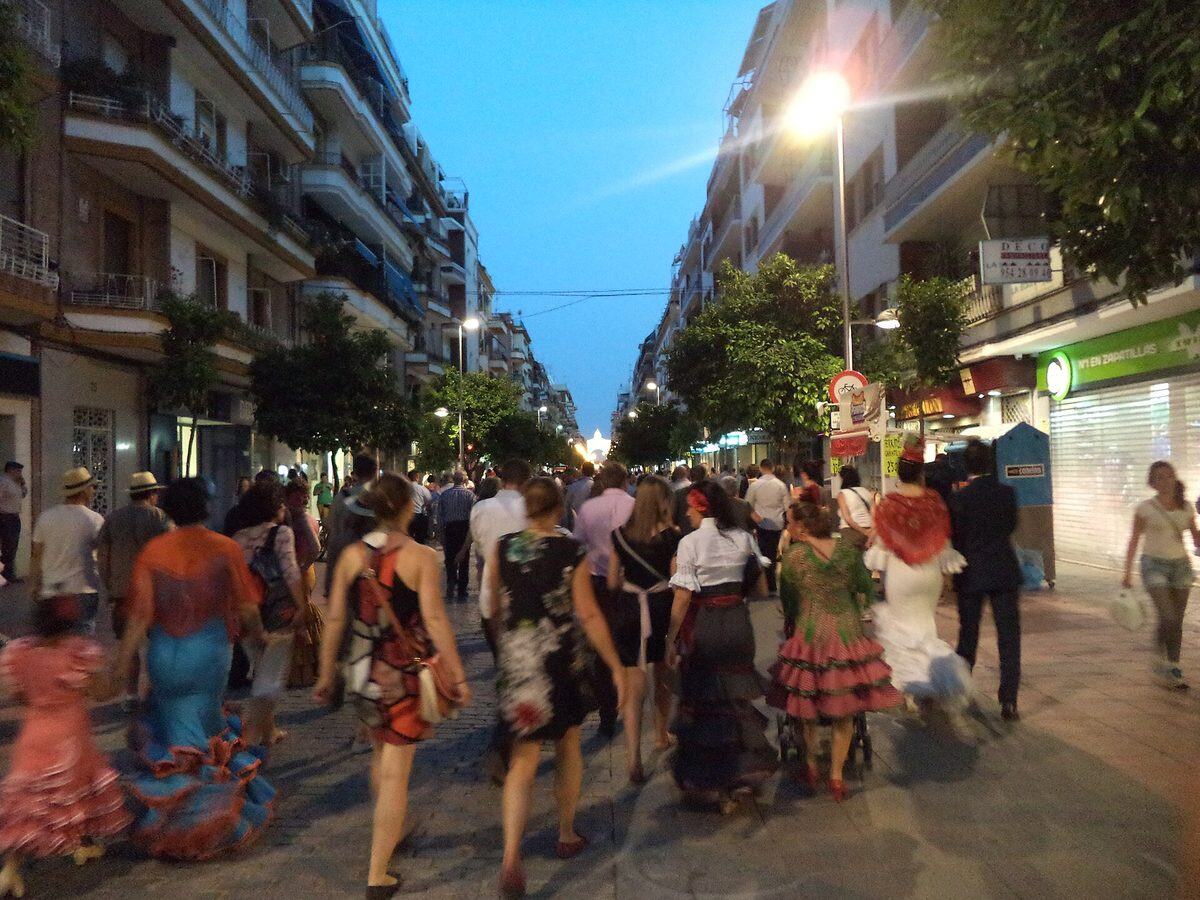
South of Triana, built in the 1950s and 60s and now the most Sevillian-bourgeois barrio in the city. It matters for one week a year: the Feria de Abril fairground sits at its edge, and in April the whole district dresses up and stops working.
- Real de la Feria, empty and strange for 51 weeks a year
- Parque de los Príncipes, jacarandas in bloom in May
- Calle Asunción for shops and terraces
- Casa Ruperto nearby: grilled quail, and only that
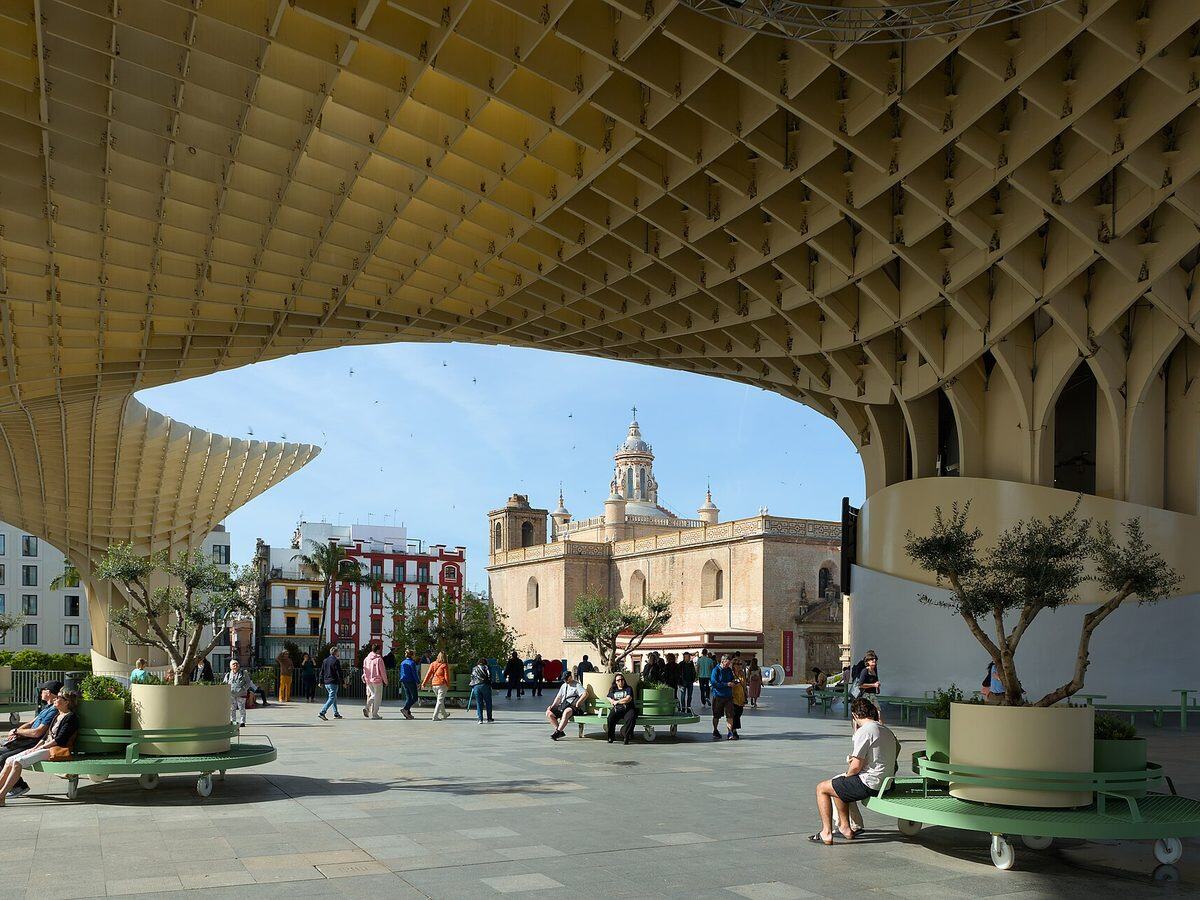
The geographic centre of the old city, flattened for a market, dug up for decades, and finally crowned with the Setas — the largest wooden structure in the world. Underneath it, Roman Seville is preserved in situ; above it, the best rooftop walkway in town.
- Setas de Sevilla walkway, half an hour before sunset
- Antiquarium, the Roman city under the square
- Mercado de la Encarnación, small and genuinely local
- Calle Regina and Calle Amparo for tapas without queues
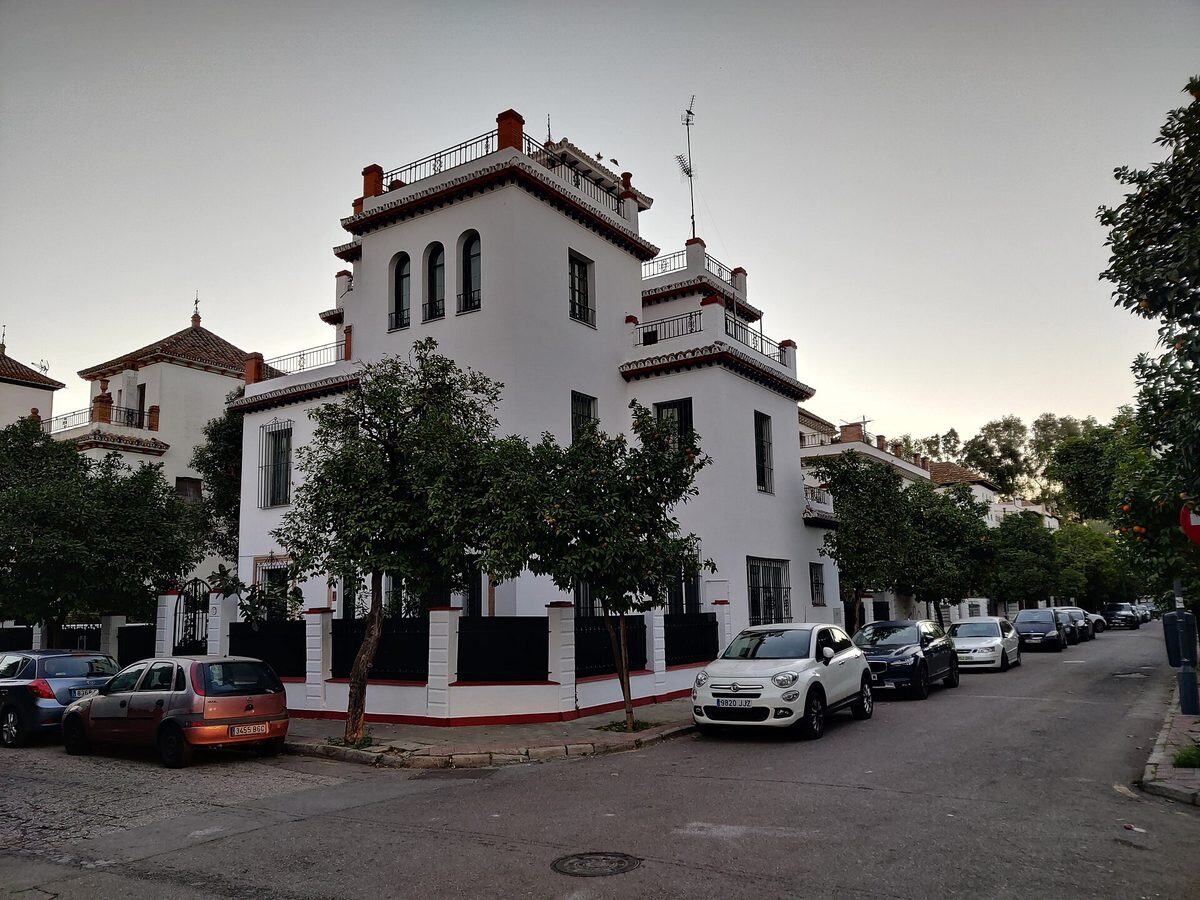
A 1930s garden city built for the workers of the 1929 Ibero-American Exposition: low white houses, gardens, palm-lined streets and the Benito Villamarín stadium. The calmest corner of Seville, and almost never visited.
- Estadio Benito Villamarín, home of Real Betis
- The garden-city streets around Avenida de la Palmera
- Jardines de las Delicias, shaded and almost always empty
- The riverside path back to the centre on foot or by bike
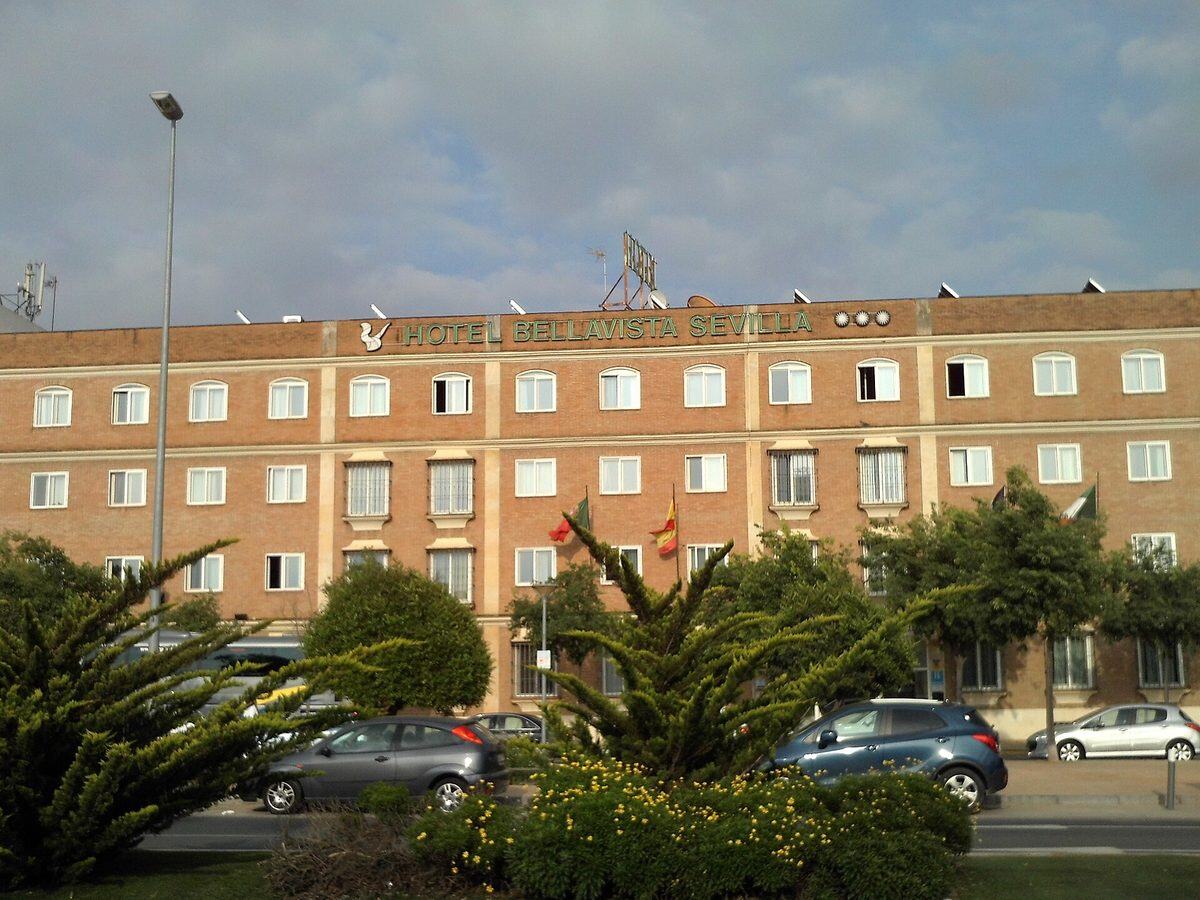
Once a separate village, now Seville's southern frontier: wide streets, low houses, palm trees and a rhythm that belongs to Andalusian small towns rather than to a city of 700,000. Come only if you want to see how Seville ends.
- Low-rise streets with no tourism at all
- Local ventas serving enormous portions at village prices
- The old Bellavista chapel and its neighbourhood fiesta
- Easy connection to the Parque del Alamillo cycle network
Neighborhood photographs sourced from Wikimedia Commons under Creative Commons licences.
Each barrio includes