Food & Drink
A short list. Only the good ones.
Every entry carries its story, its speciality, its price and how to book. Nothing padded.
Eat
Categories
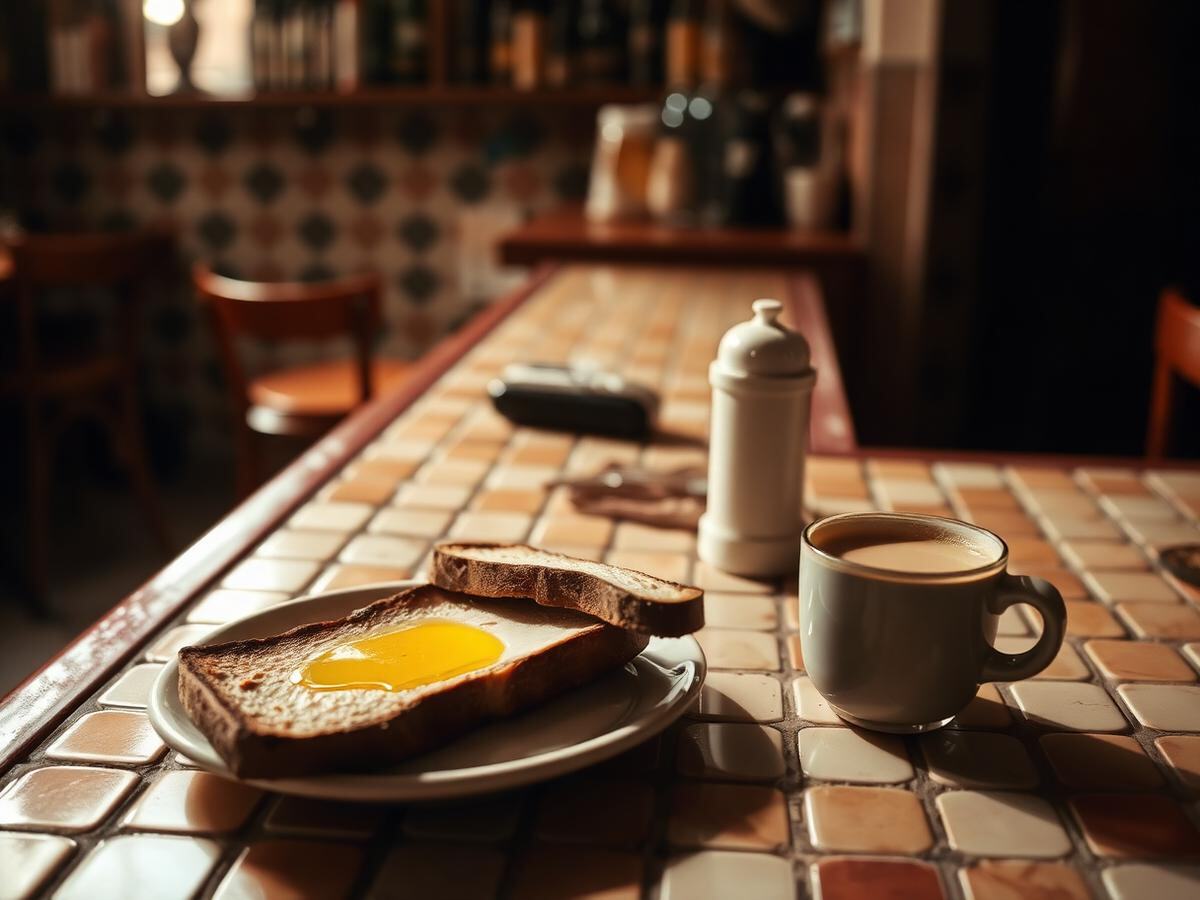
Breakfast in Seville is quick and cheap: half a toasted roll with olive oil or manteca colorá, a café con leche, standing at the bar. Nobody orders eggs. It costs under three euros and takes eleven minutes.
- Bar El Comercio — churros since 1904, tiled walls, no nonsense.
- La Cacharrería — the exception: proper coffee and homemade cakes.
- Any counter with locals at 8am — the rule that never fails.
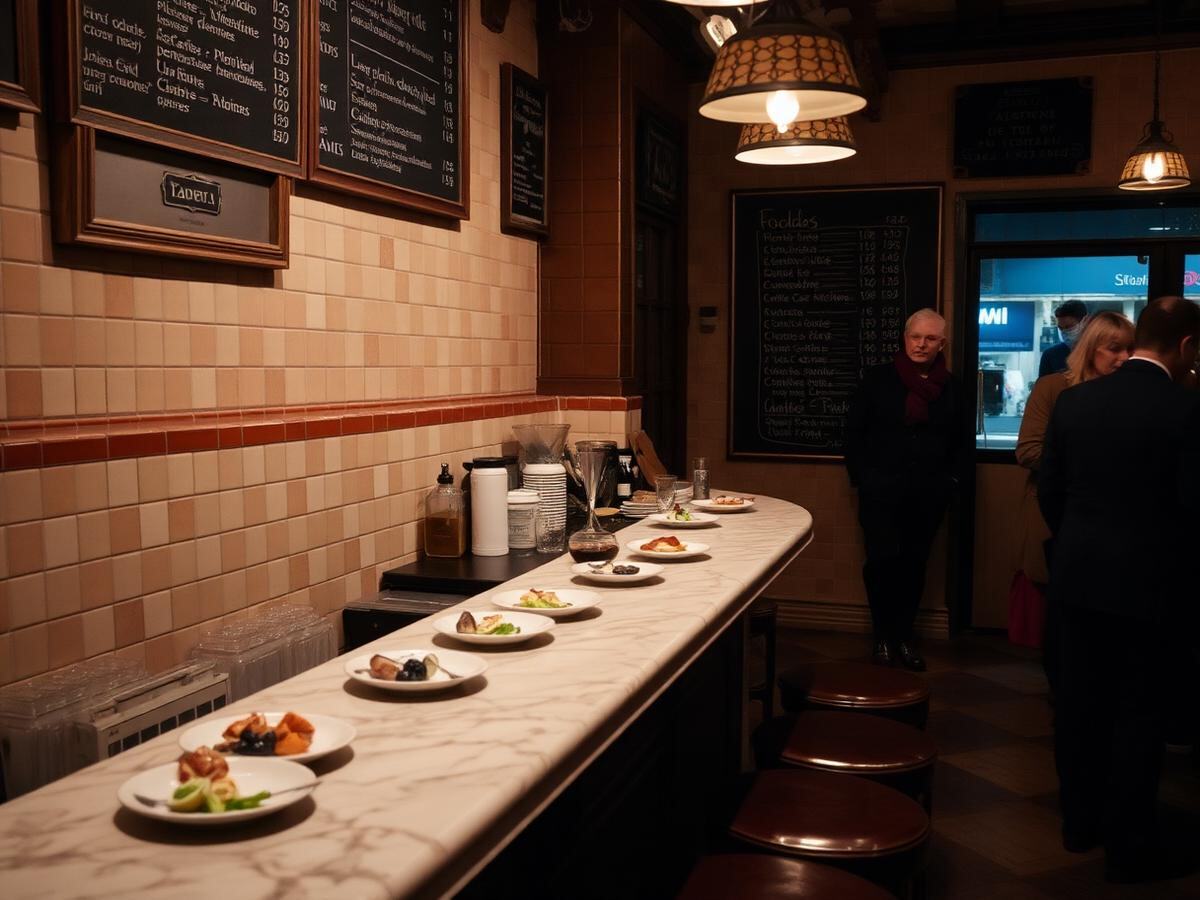
Tapas is a way of eating, not a menu: three or four plates, one bar, then move on. The good places are loud, tiled, and write the day's dishes on a chalkboard. If it has photos on the menu, keep walking.
- Bodeguita Romero — the pringá is the reason to come.
- Casa Morales — 1850, wine from the barrel, cold plates only.
- Eslava — spectacular but book, or arrive at 12:45.
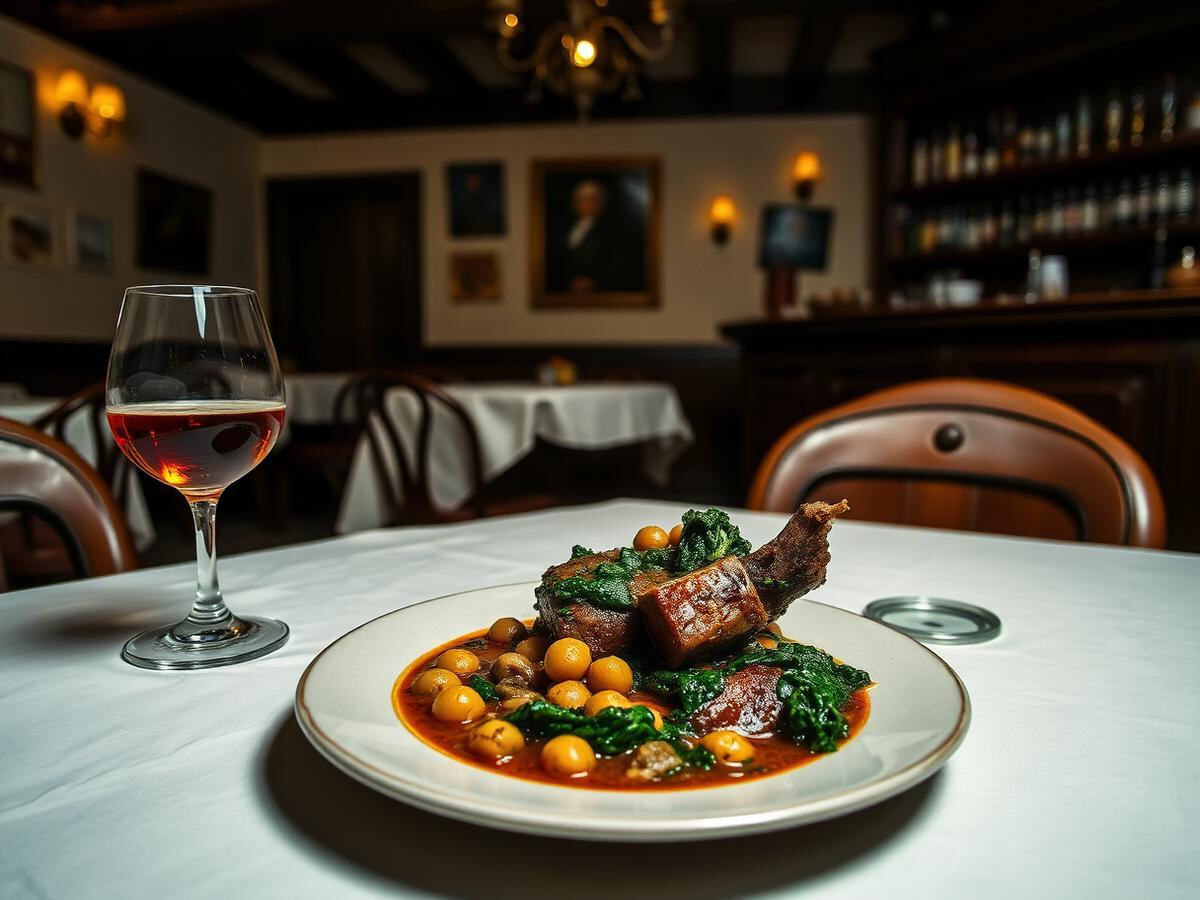
Andalusian home cooking, unchanged: cola de toro, espinacas con garbanzos, salmorejo in summer, cocido in January. These kitchens don't chase anything, and the dining rooms tend to have paper tablecloths and a very good sherry list.
- Casa Robles — old-school service, classic Sevillian dishes.
- El Rinconcillo — the oldest bar in the city, 1670.
- Bar Las Teresas — hams hanging, tiny tables, Santa Cruz.
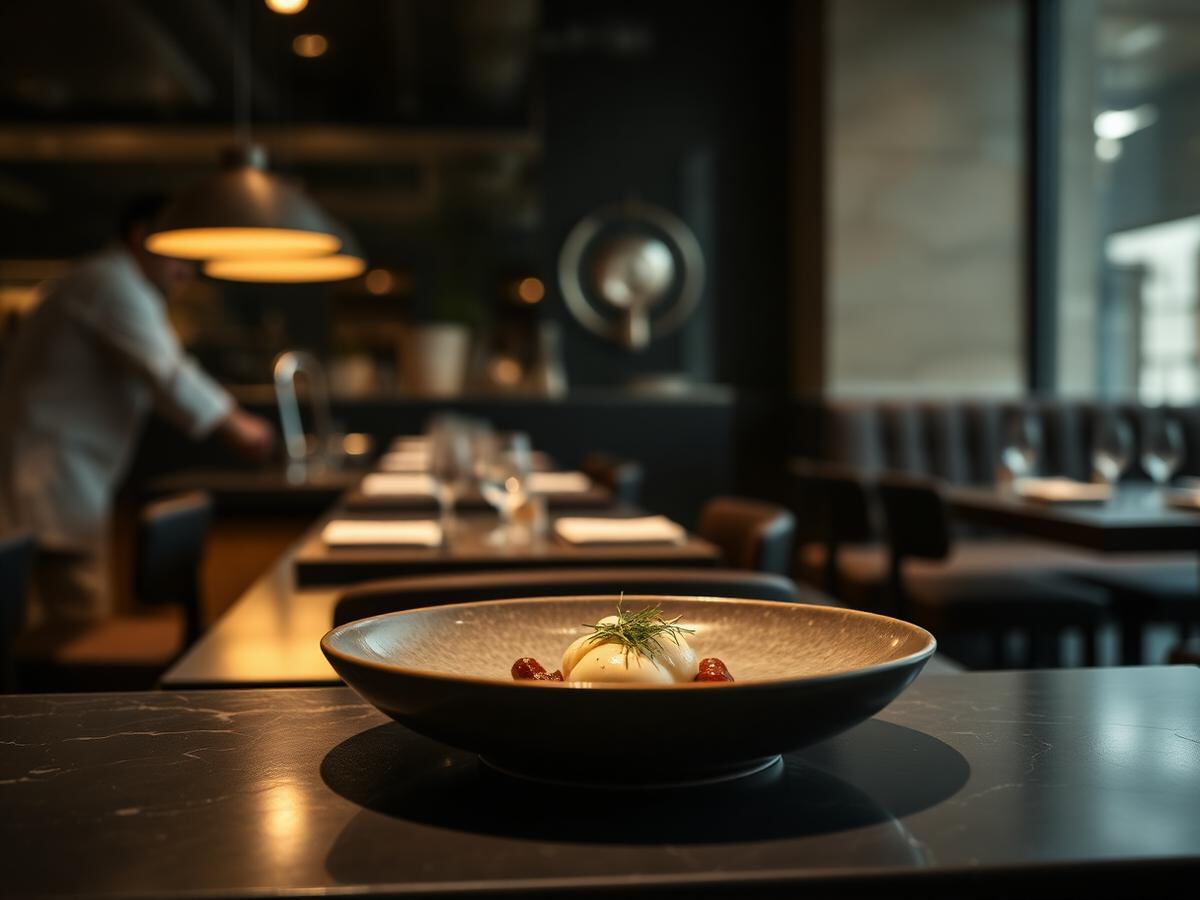
A generation of Sevillian cooks trained elsewhere and came back: local produce, Japanese and Peruvian technique, short menus, tasting formats at fair prices. This is where the city is most interesting right now.
- Cañabota — the best fish in Seville, at a counter.
- Torres y García — modern plates in a restored townhouse.
- Sobretablas — a garden, a small menu, a lot of talent.
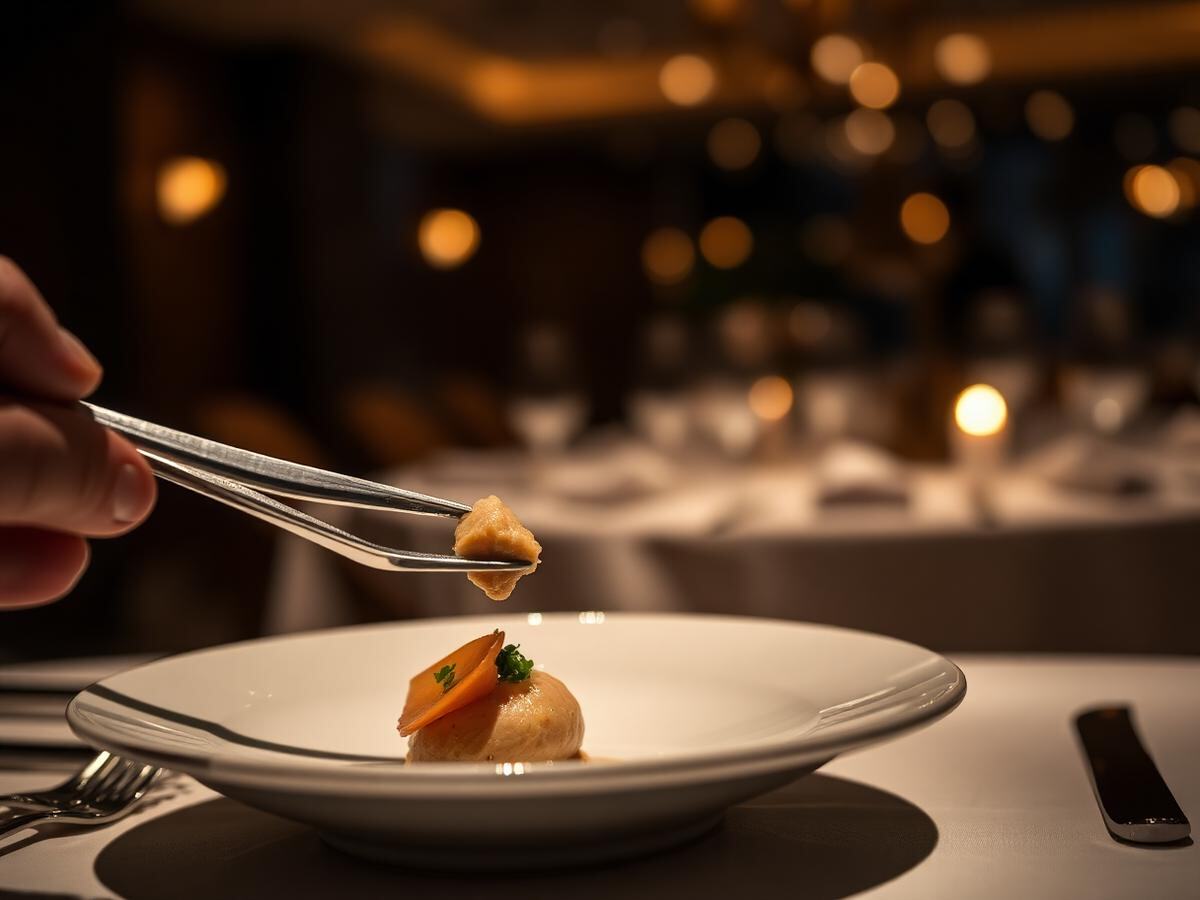
Seville is not a Michelin city, and that is part of its charm — but there are a few places where the tasting menu earns its evening. Go once, take the wine pairing, and give it three hours.
- Abantal — the city's long-standing star, Andalusian roots.
- Cañabota — starred and still a counter.
- Day trips: Aponiente in El Puerto, two hours away.
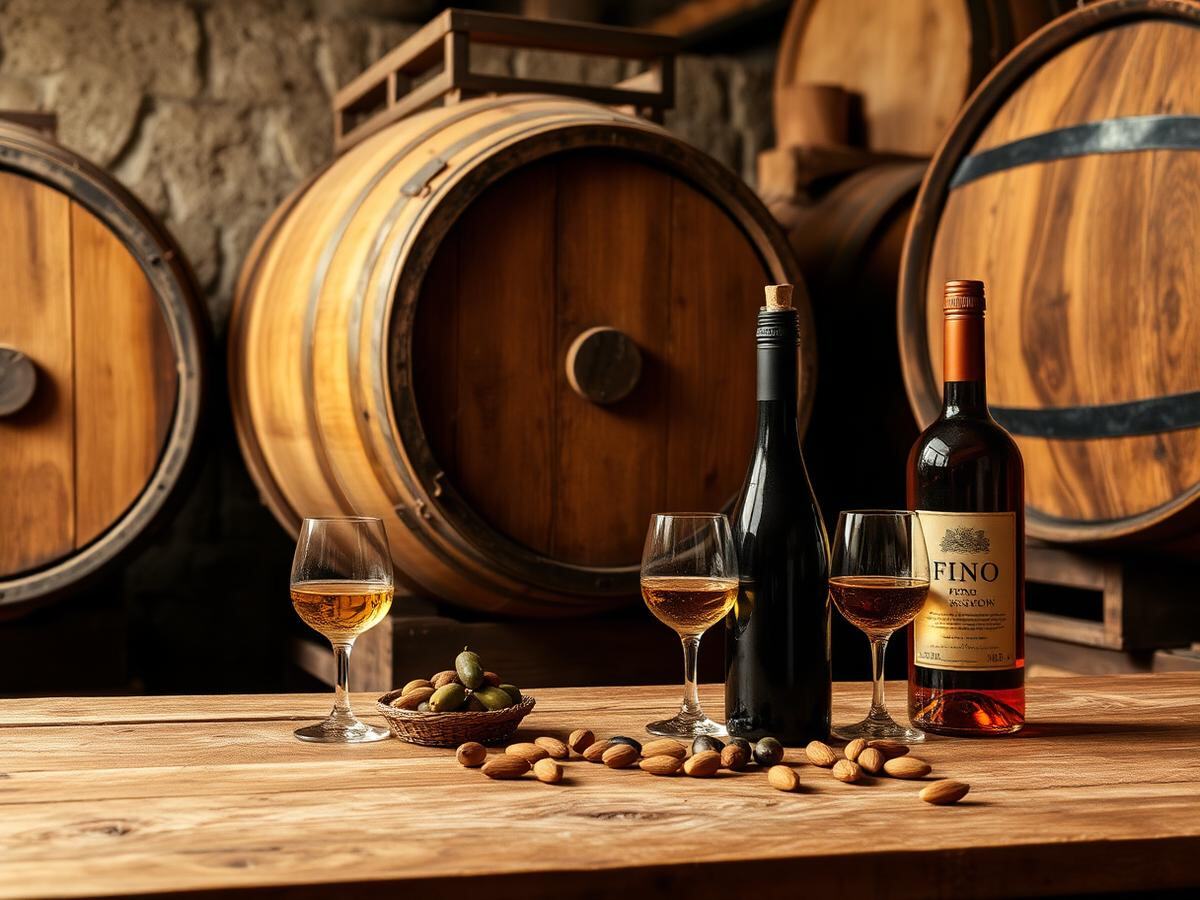
Fino and manzanilla are local wines, not aperitif curiosities: served cold in a copita, with olives, almonds or mojama. Learn four words — fino, amontillado, oloroso, palo cortado — and any bar will take you seriously.
- Álvaro Peregil — a tiny counter selling its own orange wine.
- Casa Morales — barrels the size of a room.
- Vinería San Telmo — a broader Spanish list, seated.
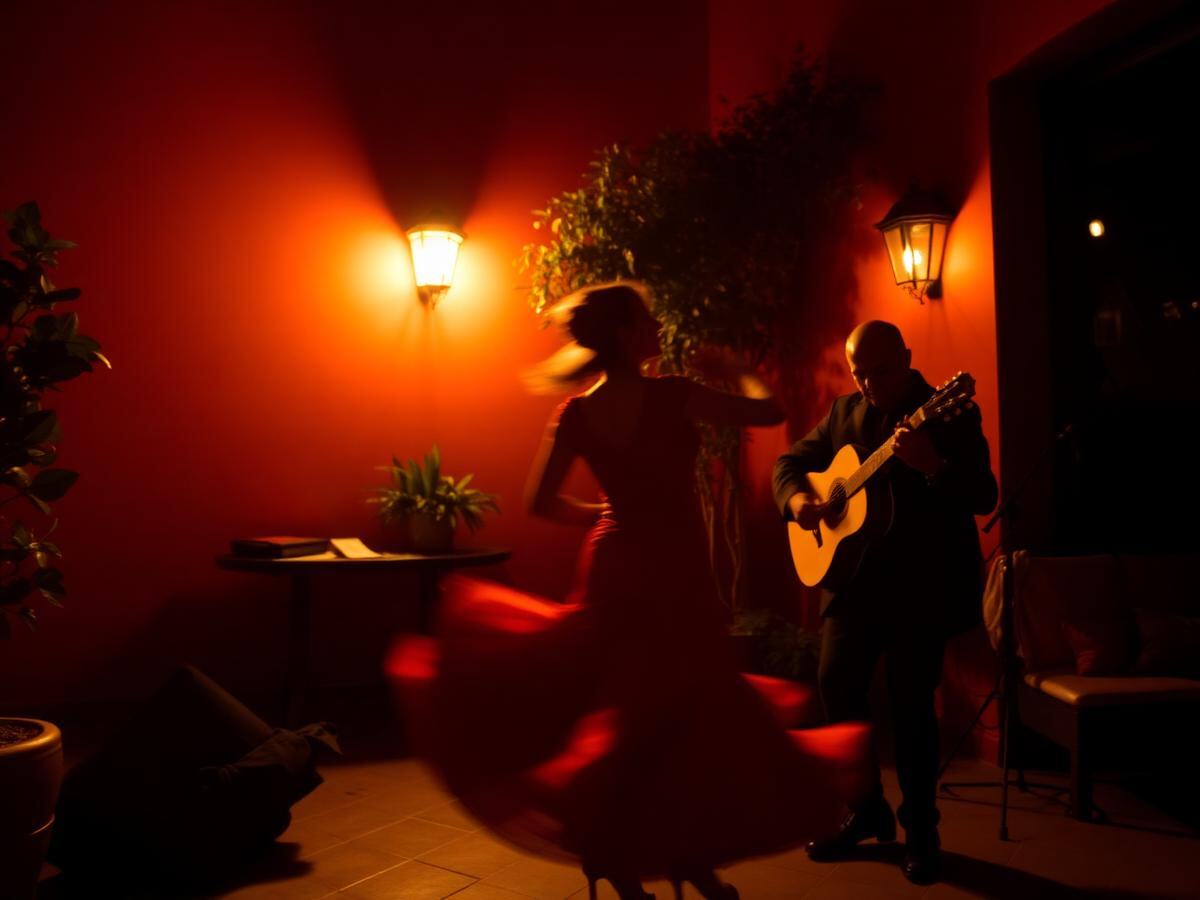
Most dinner-and-flamenco packages are a tourist transaction. There are exceptions where the singing comes first and the food is decent. Better still: eat at a bar, then see flamenco in a peña or a small tablao.
- Casa de la Memoria — 25 seats, no dinner, pure performance.
- La Casa del Flamenco — courtyard acoustics, one hour.
- Peña Torres Macarena — a members' club that lets you in. Real.
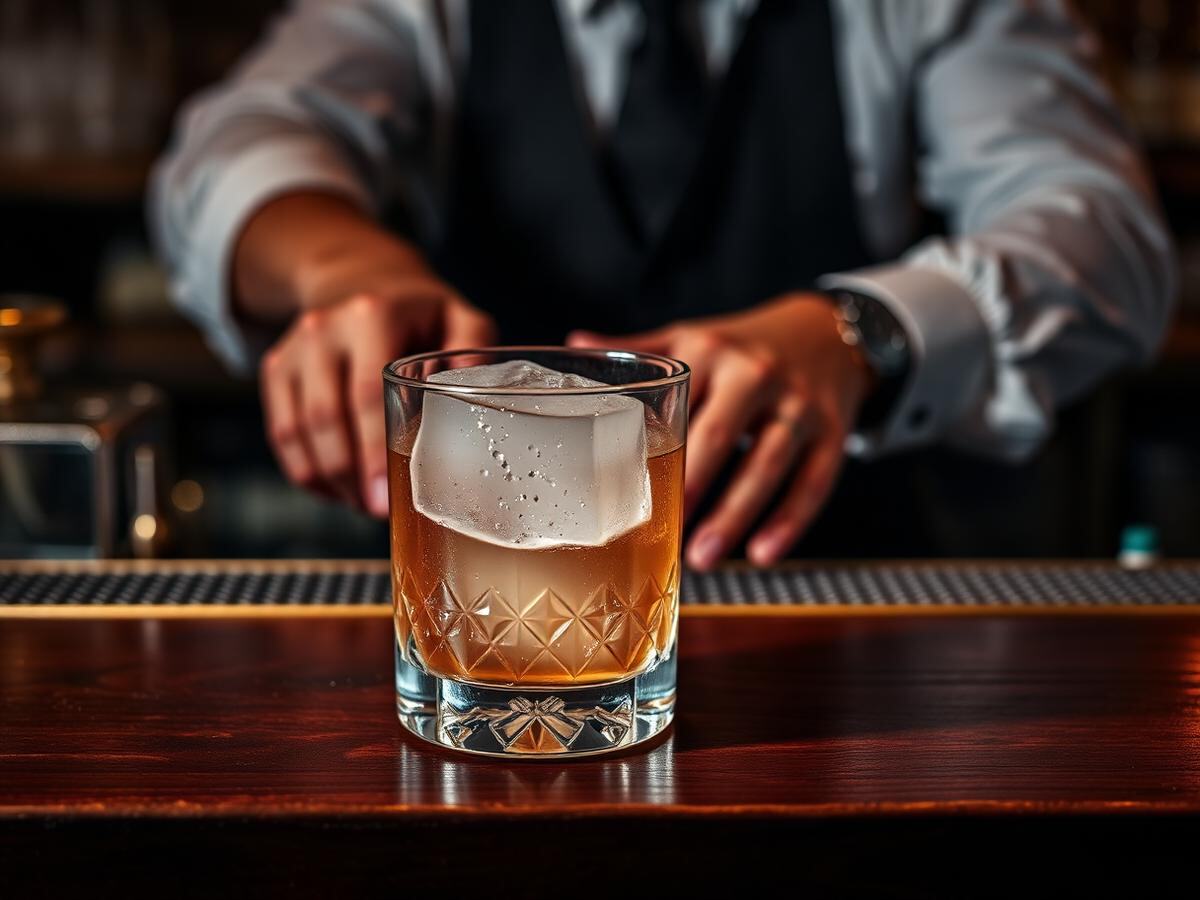
A small, serious cocktail scene hides behind unmarked doors and hotel lobbies. Expect proper ice, low light, and a bartender who will ask what you usually drink before suggesting anything.
- Premier Sherry & Cocktail Bar — classics and sherry, no menu needed.
- El Viajero Sedentario — quiet, bookish, Alameda 77.
- La Terraza de EME — pay for the Giralda, not the drink.
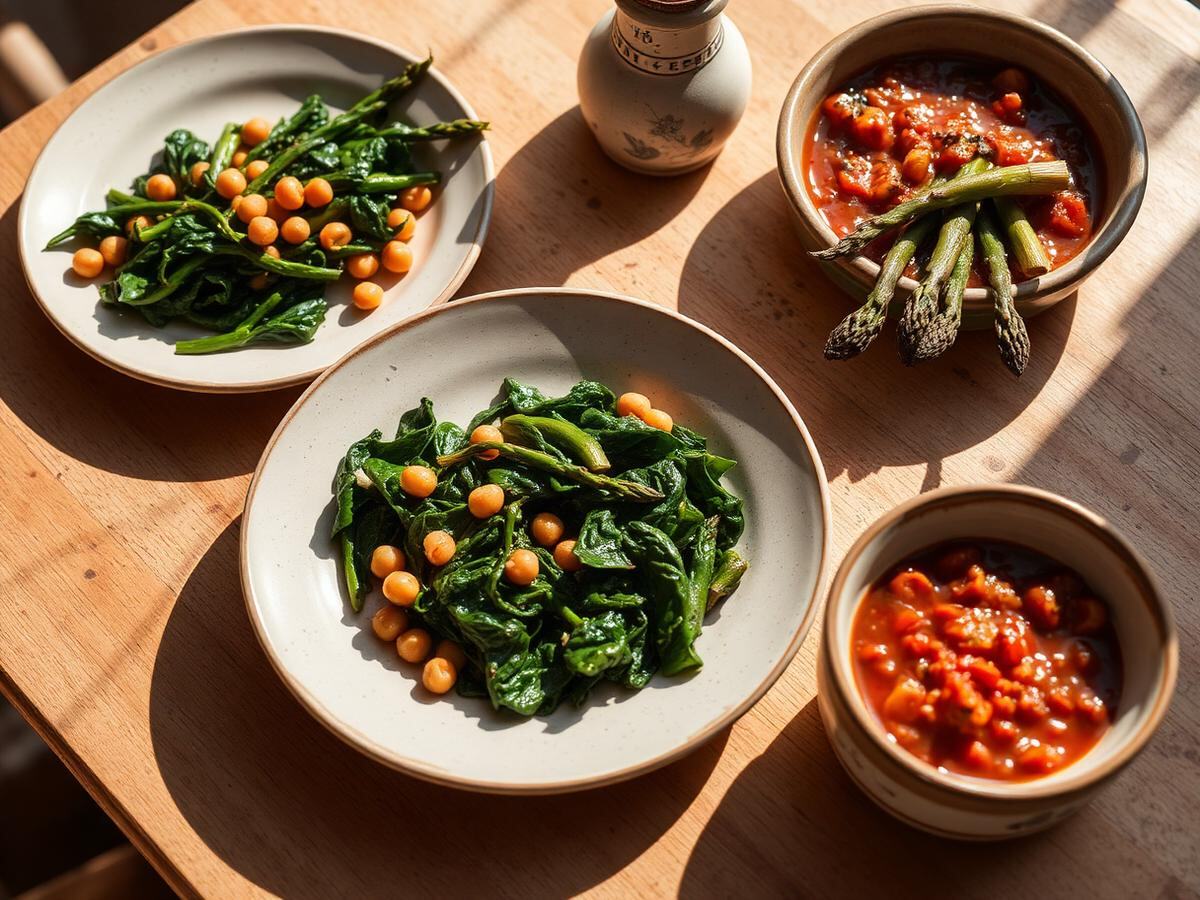
Andalusian cooking is accidentally generous to vegetarians: spinach with chickpeas, artichokes, salmorejo, aubergine with molasses, grilled asparagus. Beyond that, a handful of fully vegetarian kitchens do it deliberately and well.
- Habanita — Cuban-Andalusian, half the menu meat-free.
- Sobretablas — garden dining, always a serious vegetable dish.
- Order espinacas con garbanzos anywhere — always safe.
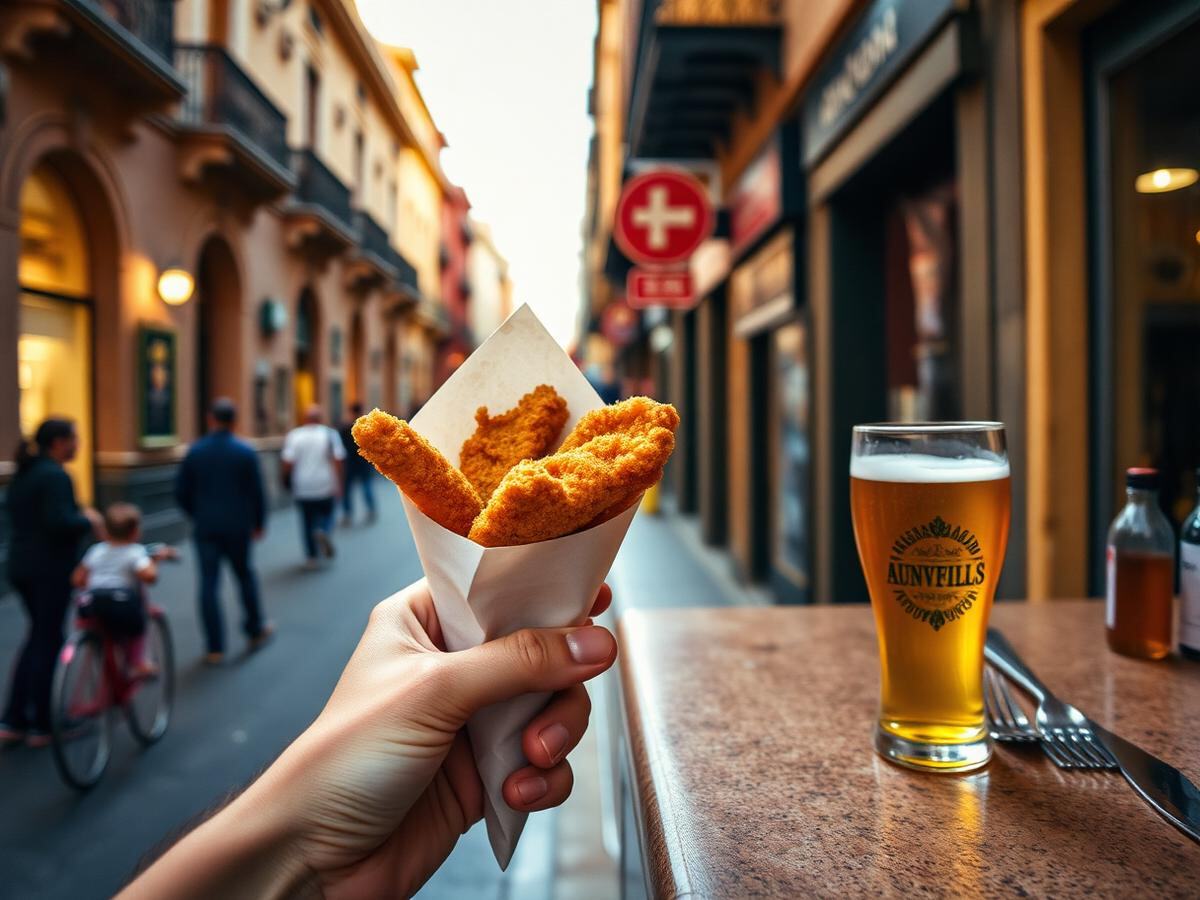
You can eat very well here for the price of a coffee elsewhere. Menú del día at lunch, a montadito and a beer at the counter, a fried fish cone to walk with. The cheapest food is often the most local.
- Freiduría La Isla — fried fish by the paper cone.
- Bar Alfalfa — montaditos, standing, three euros.
- Menú del día — three courses and wine, 11–14€.
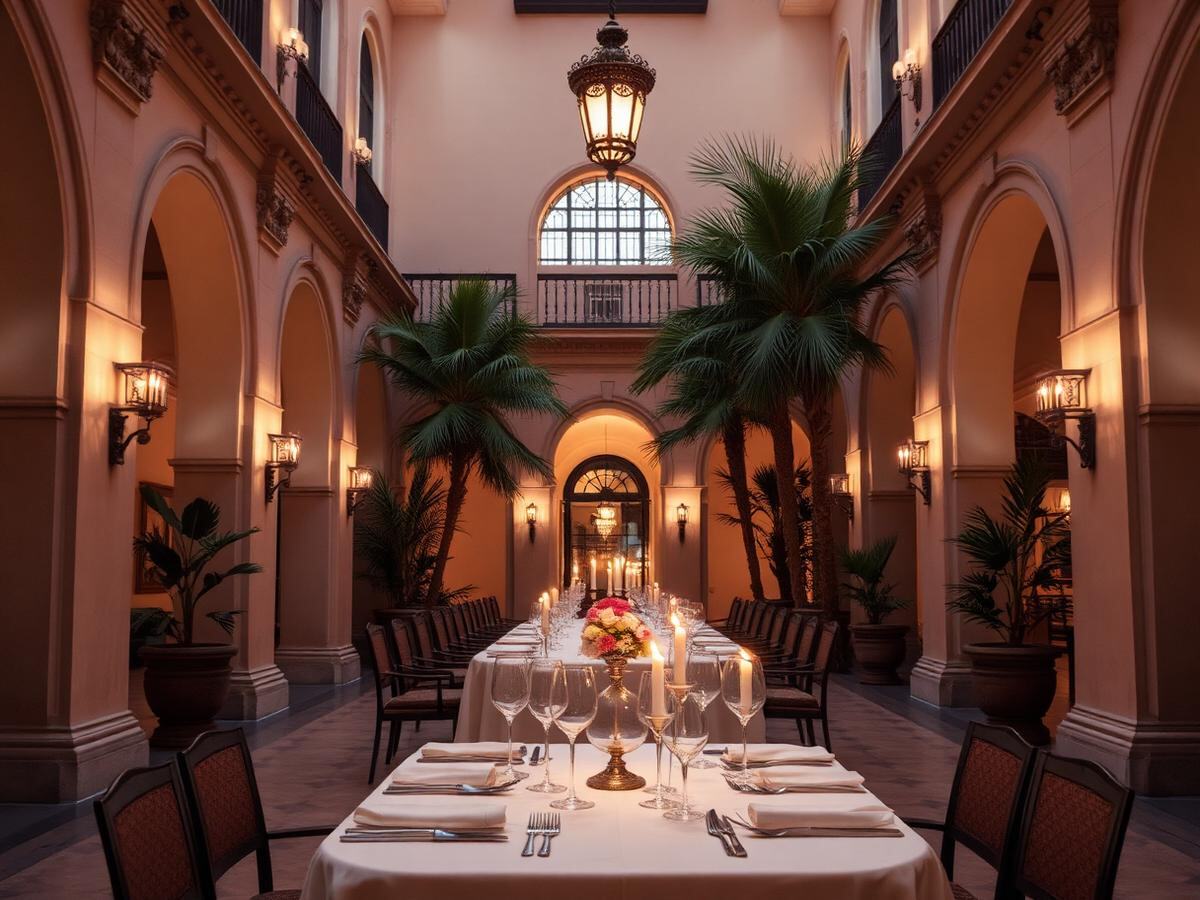
If you keep one evening for something grand, spend it where the room matters as much as the plate: a hotel courtyard, a rooftop facing the Giralda, a dining room that has served the city for a century.
- Hotel Alfonso XIII — dinner in the courtyard, 1929 grandeur.
- Ispal — Andalusian produce, formal service, only local wines.
- Rooftop tables facing the Cathedral — request when booking.
Nightlife
After eleven
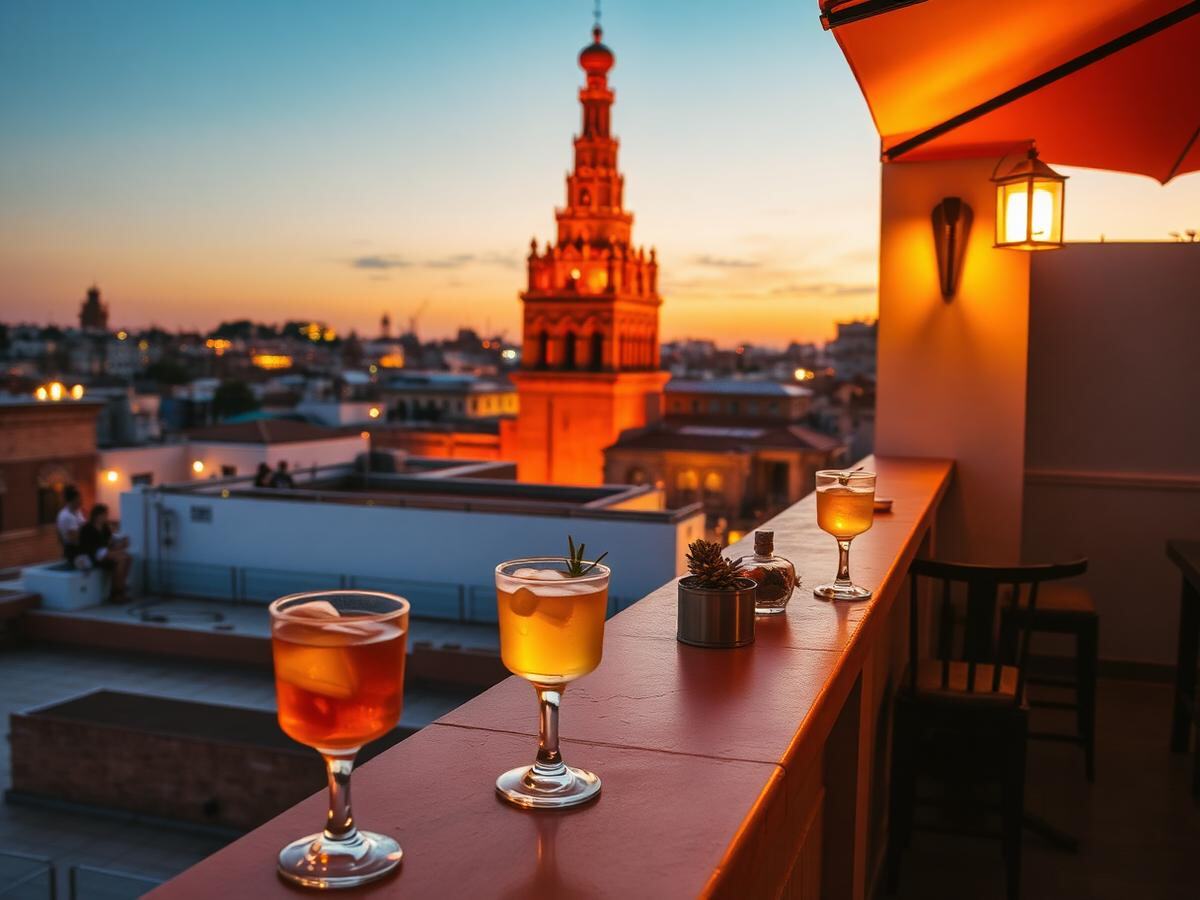
Seville drinks its first hour of the night on a roof. Most open around eight and fill by ten; in summer they stay open until two. Come for the light on the Cathedral, not for the food.
- Hotel EME Terrace — the Giralda close enough to touch.
- Hotel Doña María — small pool terrace, the classic postcard view.
- La Terraza de EME / Setas walkway drinks — sunset half an hour early.
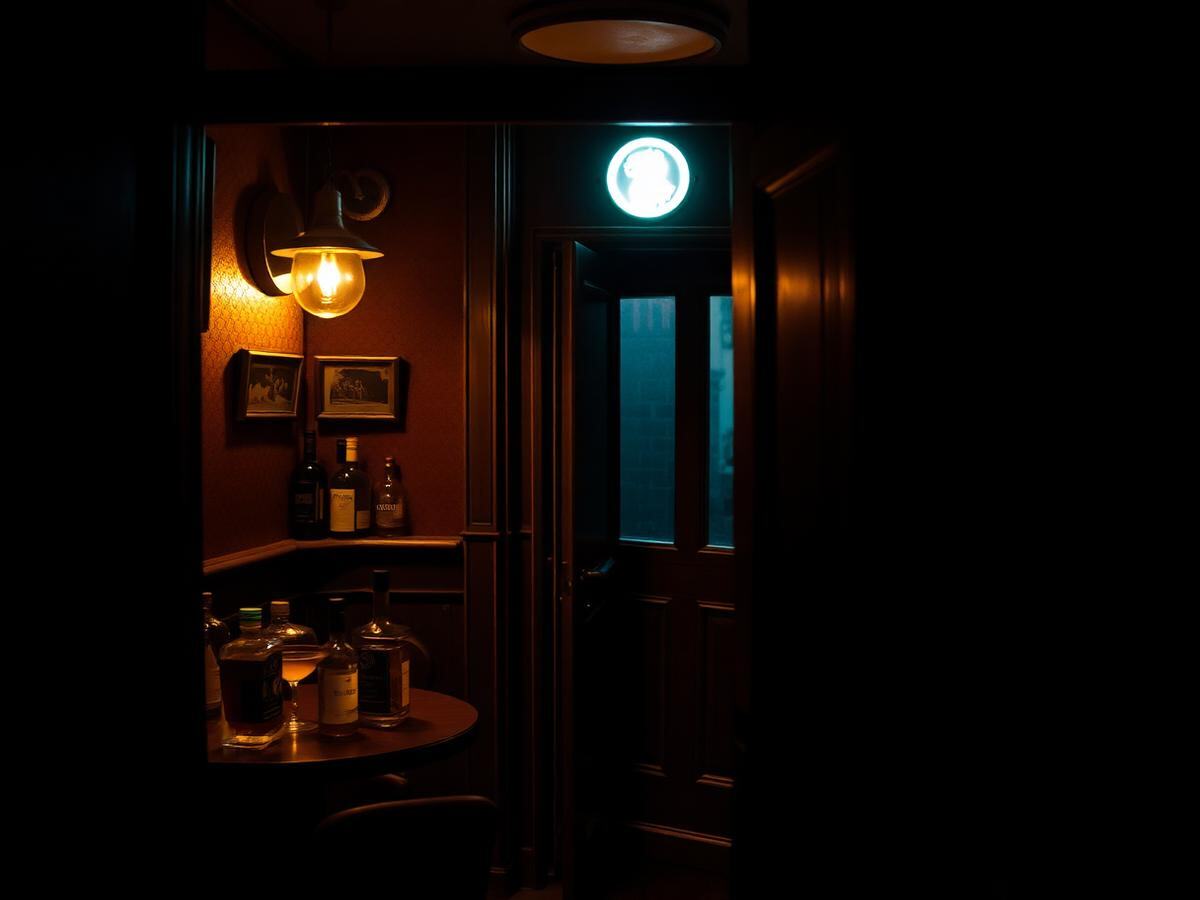
A short circuit of serious bartending between Alameda and the centre. Small rooms, classics done properly, and vermouth taken as seriously as gin.
- Bicicletería — unmarked door in Alameda, ring the bell.
- El Garlochí — Baroque kitsch and the famous Sangre de Cristo.
- Premier Bar — old-school hotel-style cocktails near the Cathedral.
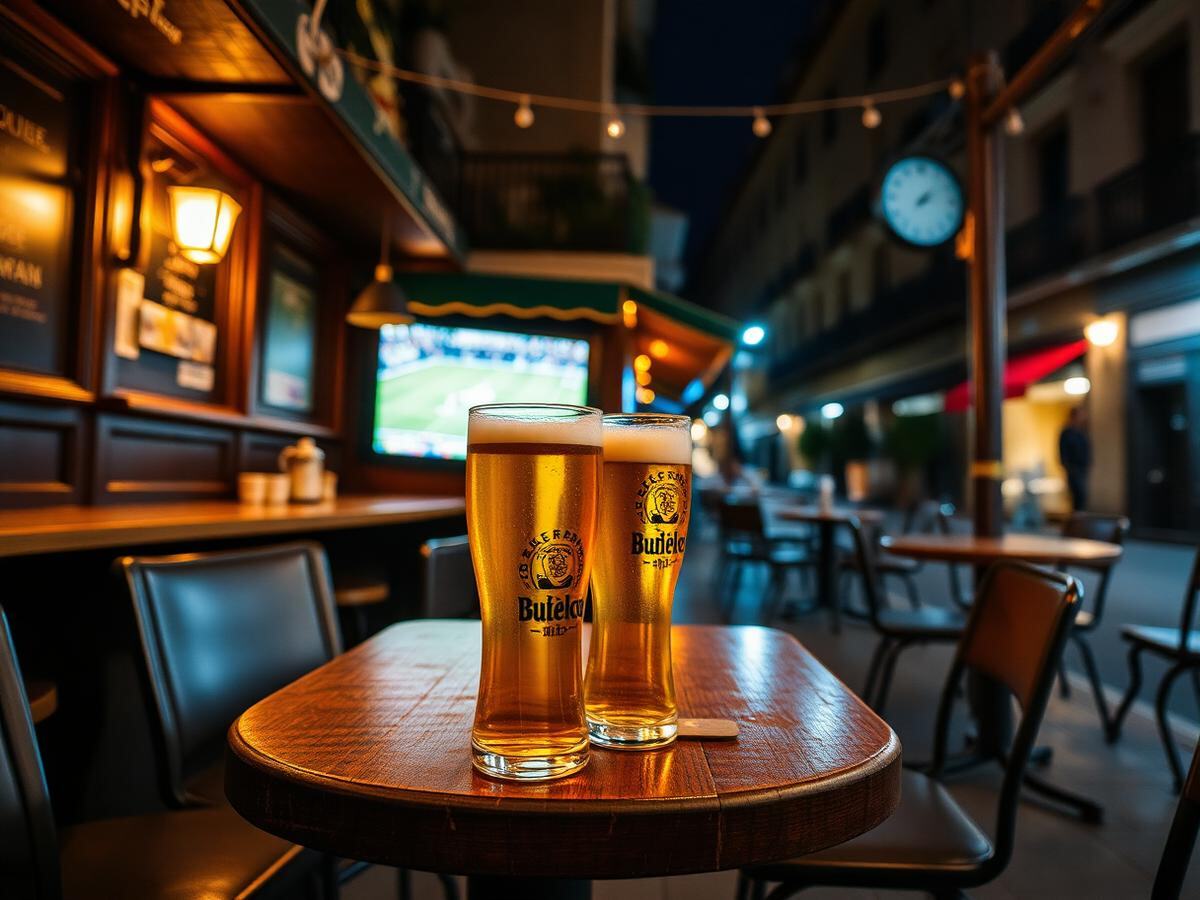
Straightforward bars for a long night: cold beer, a screen with the match, and tables outside on the street until late.
- The Merchant (formerly Merchants Malt House) — the city's Irish standard, Alfalfa.
- Bulebar Café (Alameda) — terrace, cheap beer, all ages.
- Plaza del Salvador — beers on the church steps, the open-air pub.
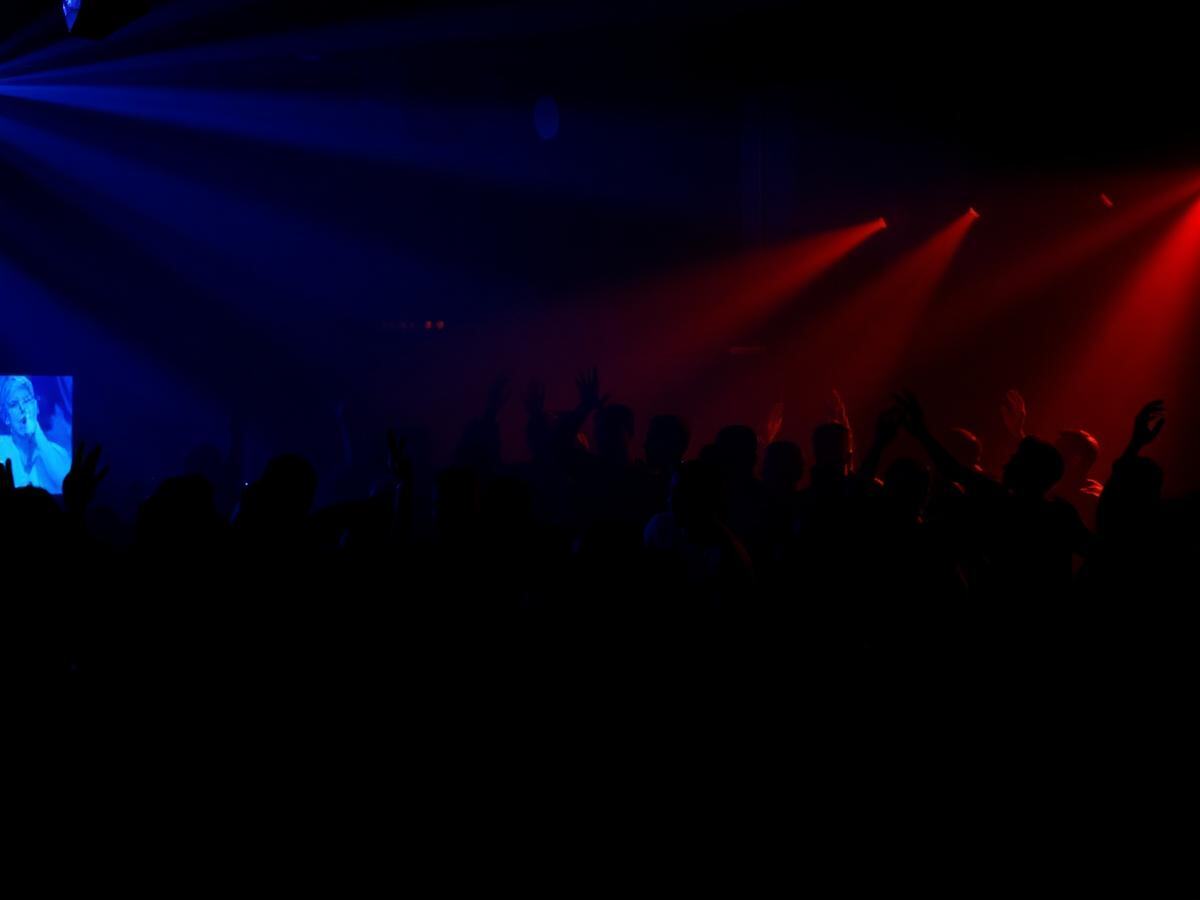
Sevillian clubs start when other cities finish. In summer the whole scene moves to the open-air venues along the river.
- Uthopia — central, mainstream, busiest at 3am (seasonal).
- Rosso by Antique Theatro — the glossy one, reopened with a summer terrace.
- Terraza Bilindo — riverside, open-air until sunrise in summer.
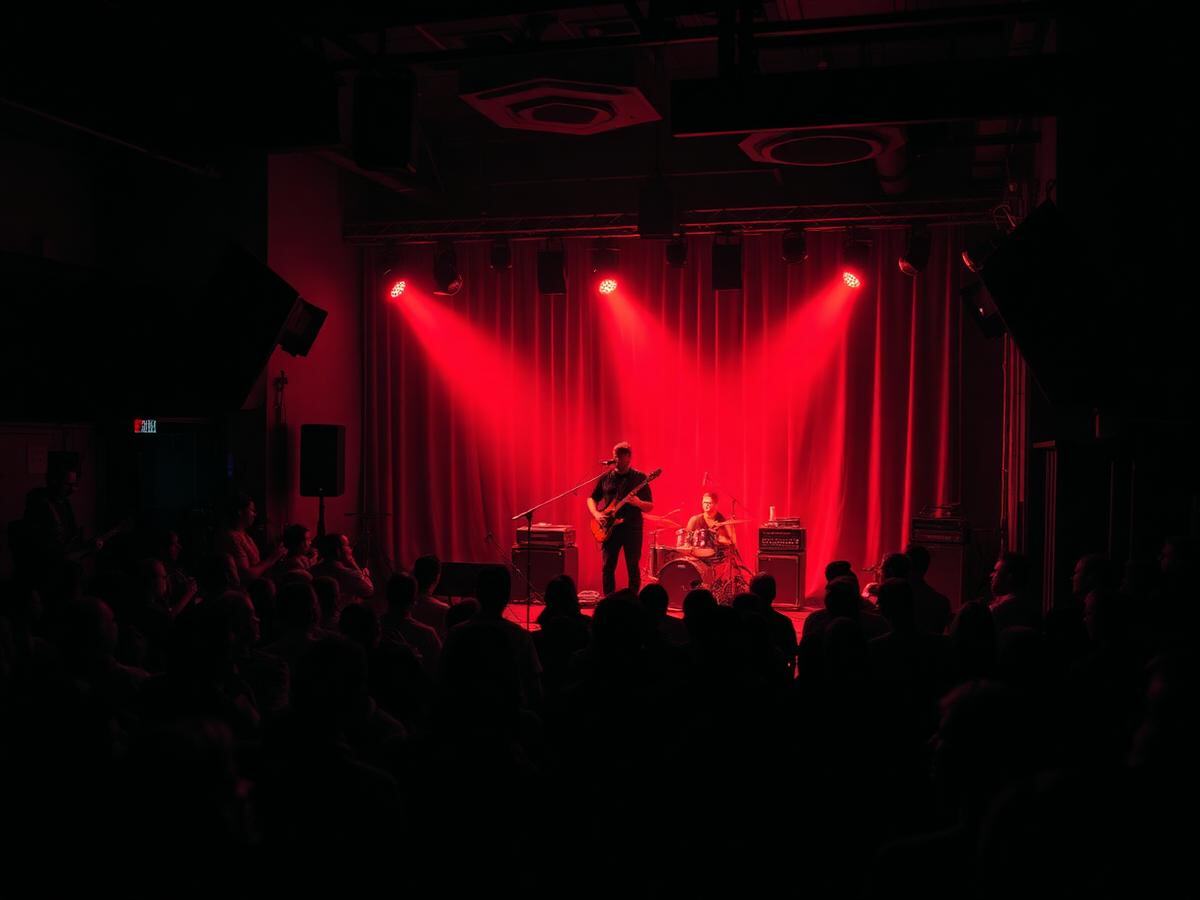
Seville's live circuit is intimate: a hundred people, a low stage, and the band drinking at the bar afterwards.
- Sala Malandar — Calle Torneo, eclectic bookings, late sets.
- Fun Club — tiny, sweaty, legendary on Alameda.
- Sala X — still touring indie and rock, now at a new address (check listings).
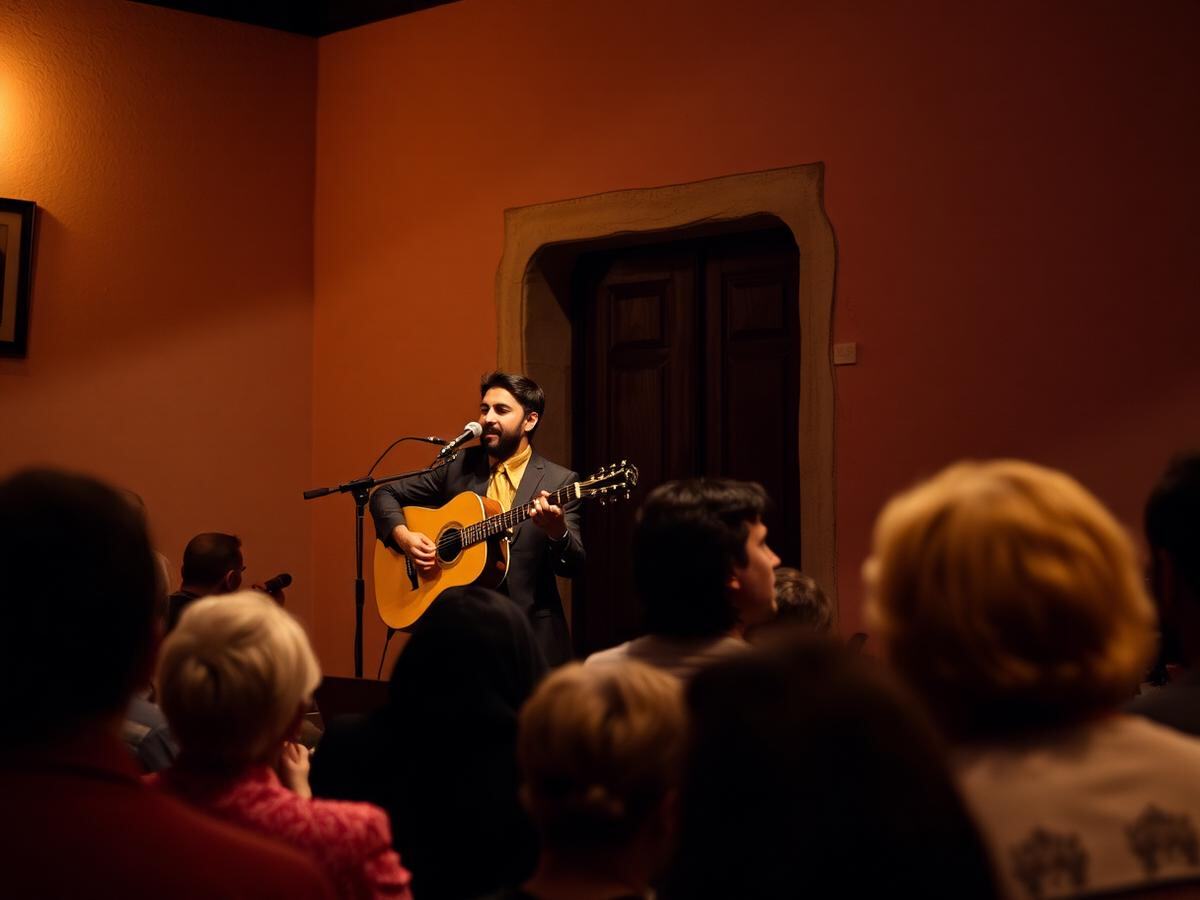
Two kinds of flamenco: the tablao, professional and ticketed, and the peña, a members' club where the audience knows the palos. Both are worth it if you pick well.
- Casa de la Memoria — small, honest, no dinner, book days ahead.
- La Casa del Flamenco — Santa Cruz courtyard, excellent acoustics.
- Peña Torres Macarena — real peña, guitar and voice only.
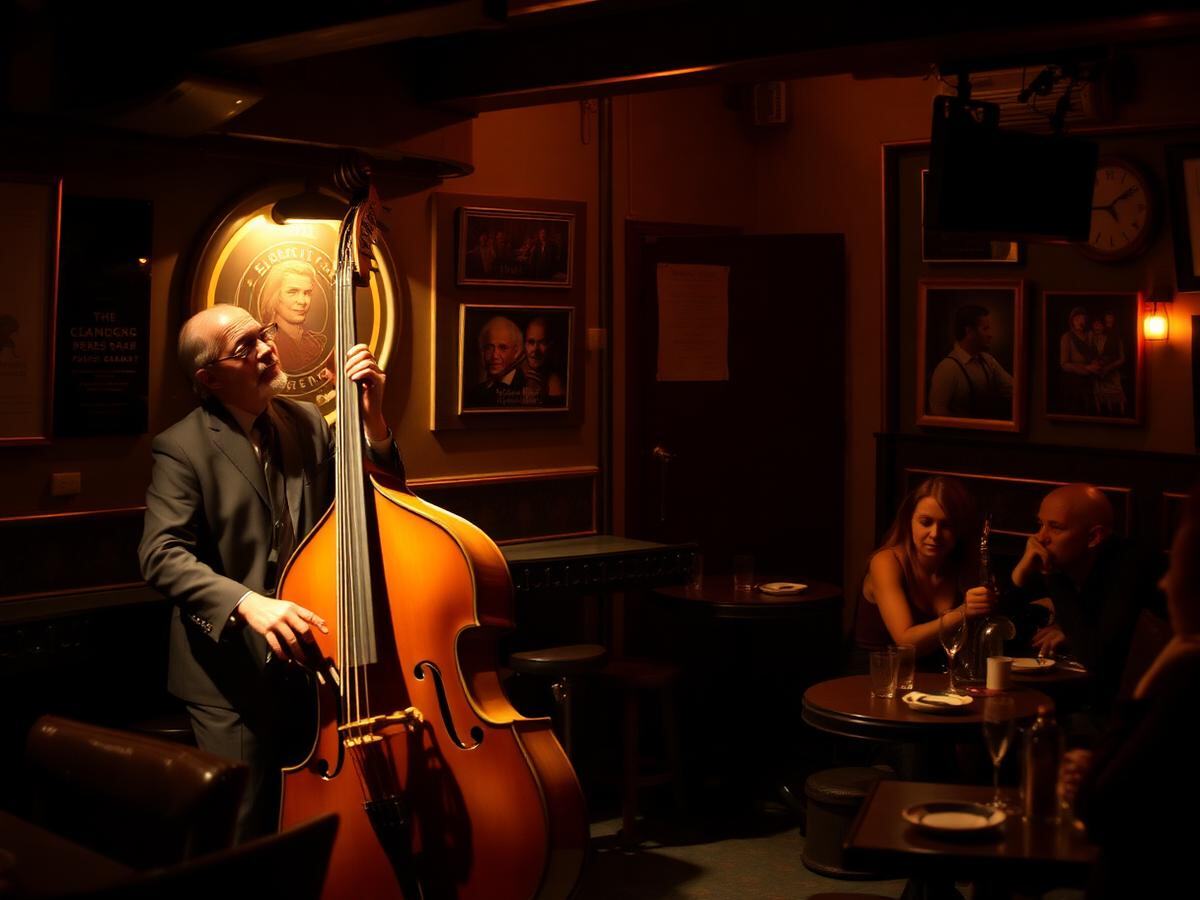
A quiet but faithful scene, mostly clustered around Alameda and Triana, with weekly jam sessions that anyone can sit in on.
- Teatro Central — the serious concerts, on La Cartuja, renovated in 2025.
- Fun Club — jam sessions and small combos on Alameda.
- Sala Malandar — jazz and improv nights in the weekly programme.
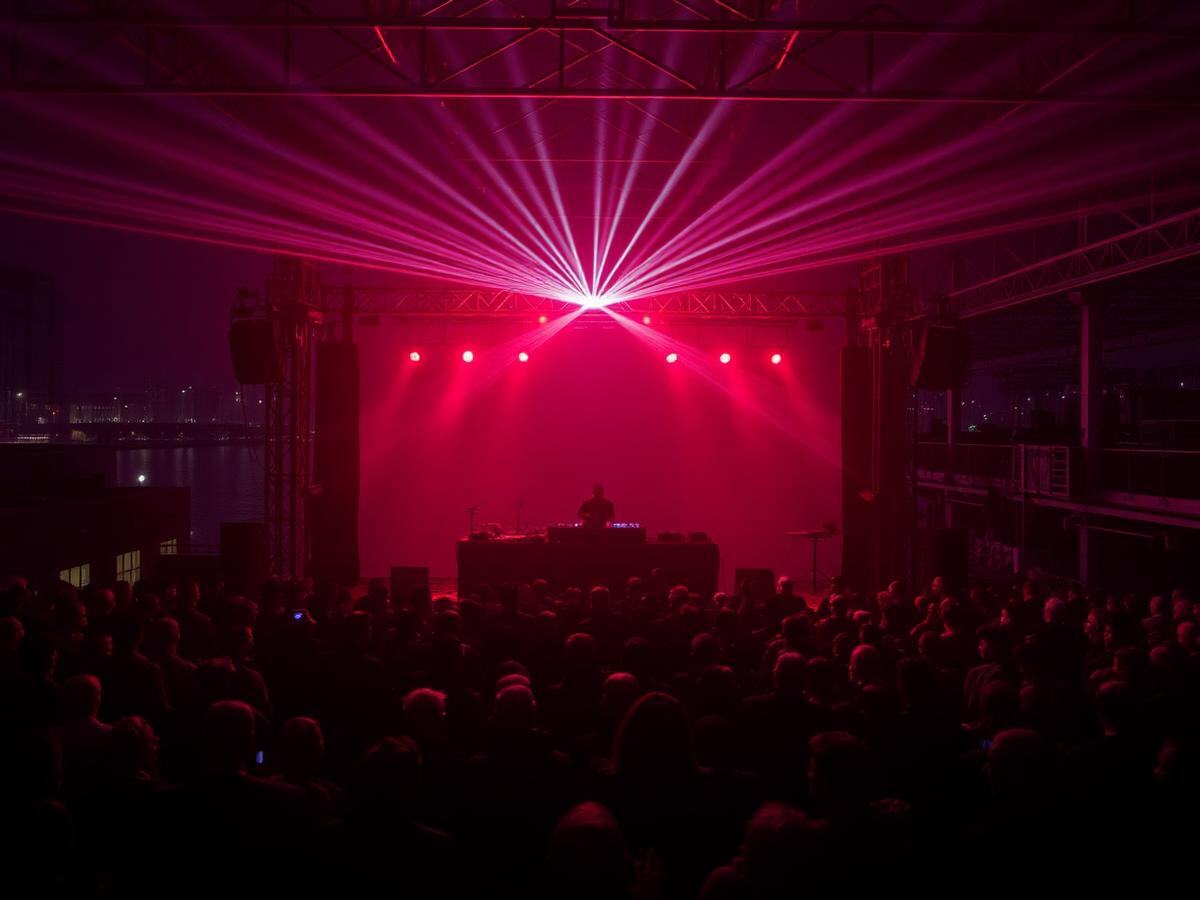
Techno and house live outside the old town: industrial rooms near the Cartuja and open-air riverside stages from May to September.
- Obbio Club — the city's techno mainstay, Trastámara.
- Uthopia — house and mainstream electronic, central.
- Riverside summer stages (Muelle Nuevo) — open-air until 6am.
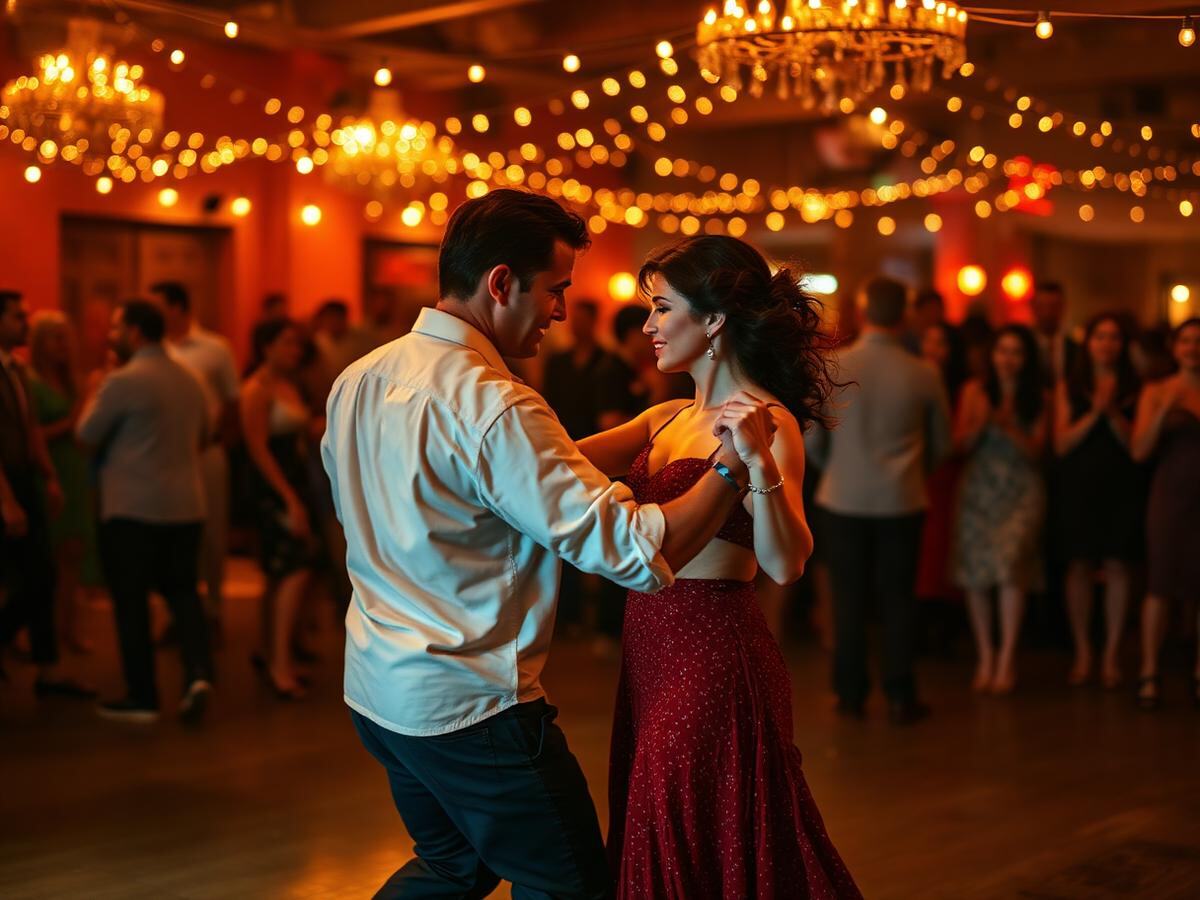
Latin nights are a real institution here, with free classes before the dancing and a crowd that will happily teach you the basic step.
- Alameda de Hércules terraces — improvised outdoor dancing all summer.
- Fun Club / Malandar — recurring salsa and bachata nights, lessons first.
- Muelle Nuevo riverside — Latin sessions on the terraces in summer.
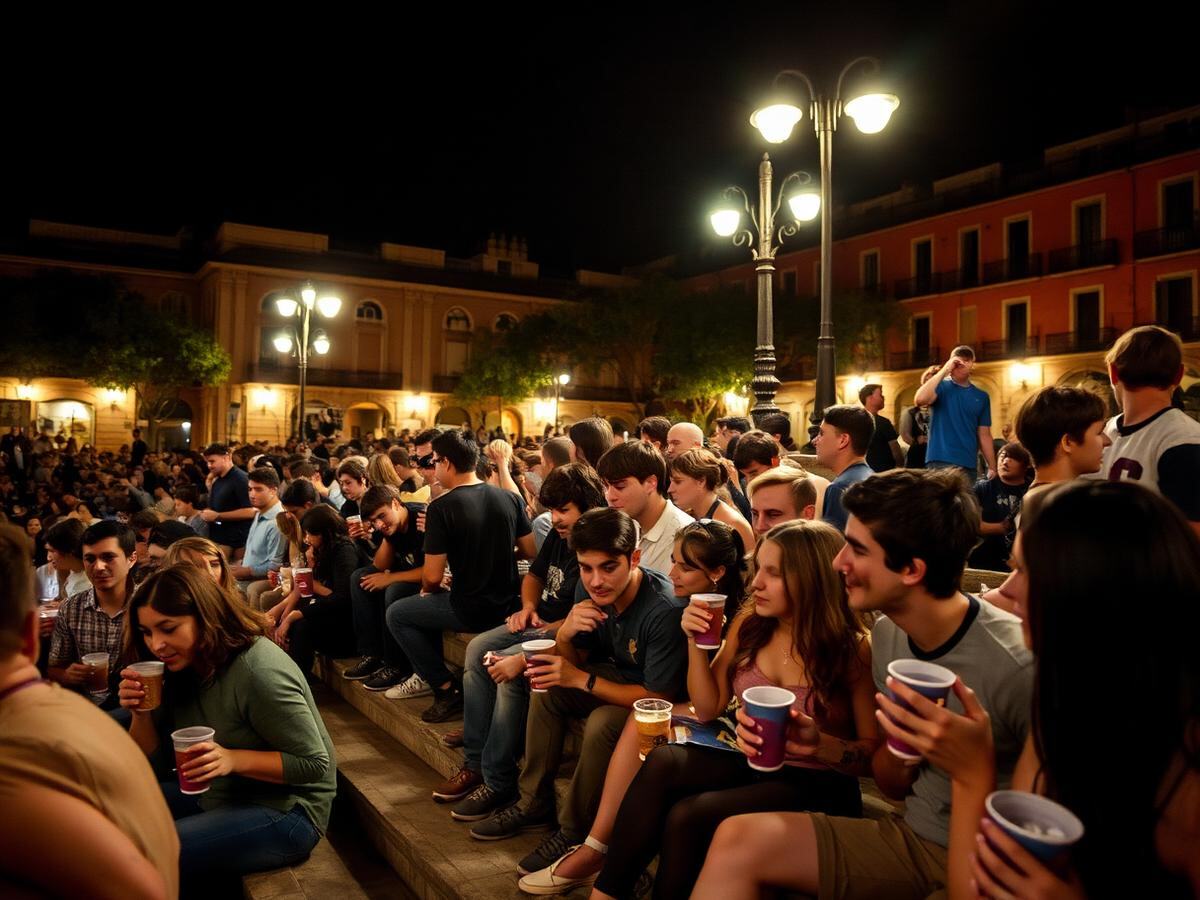
Around the university and Alameda you drink for the price of a coffee. Loud, young, and outdoors on the pavement all year.
- Alameda de Hércules terraces — the whole square is the bar.
- Calle Betis (Triana) — river view, cheap jars, all night.
- Plaza Salvador at 10pm — beers on the steps, a Seville ritual.