GetSeville
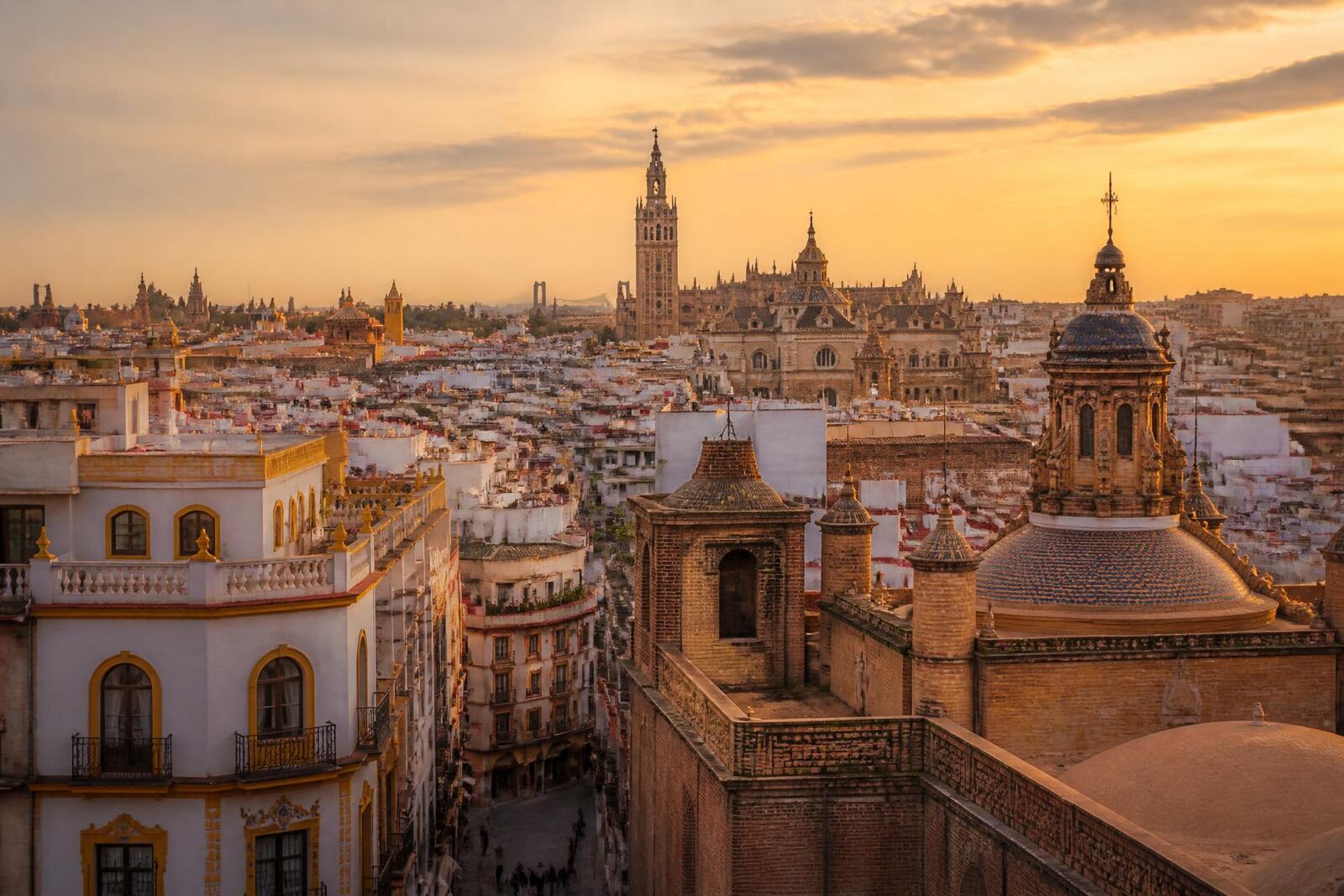
Seville rooftops at sunset

Events

The city's calendar

Seville is a city of dates. Know them and you will see a different place entirely.

Calendar

What is coming

Nine moments that shape the Sevillian year — what each one actually is, when it happens, and how to live it well.

Semana Santa

March / April

Semana Santa

The city stops breathing

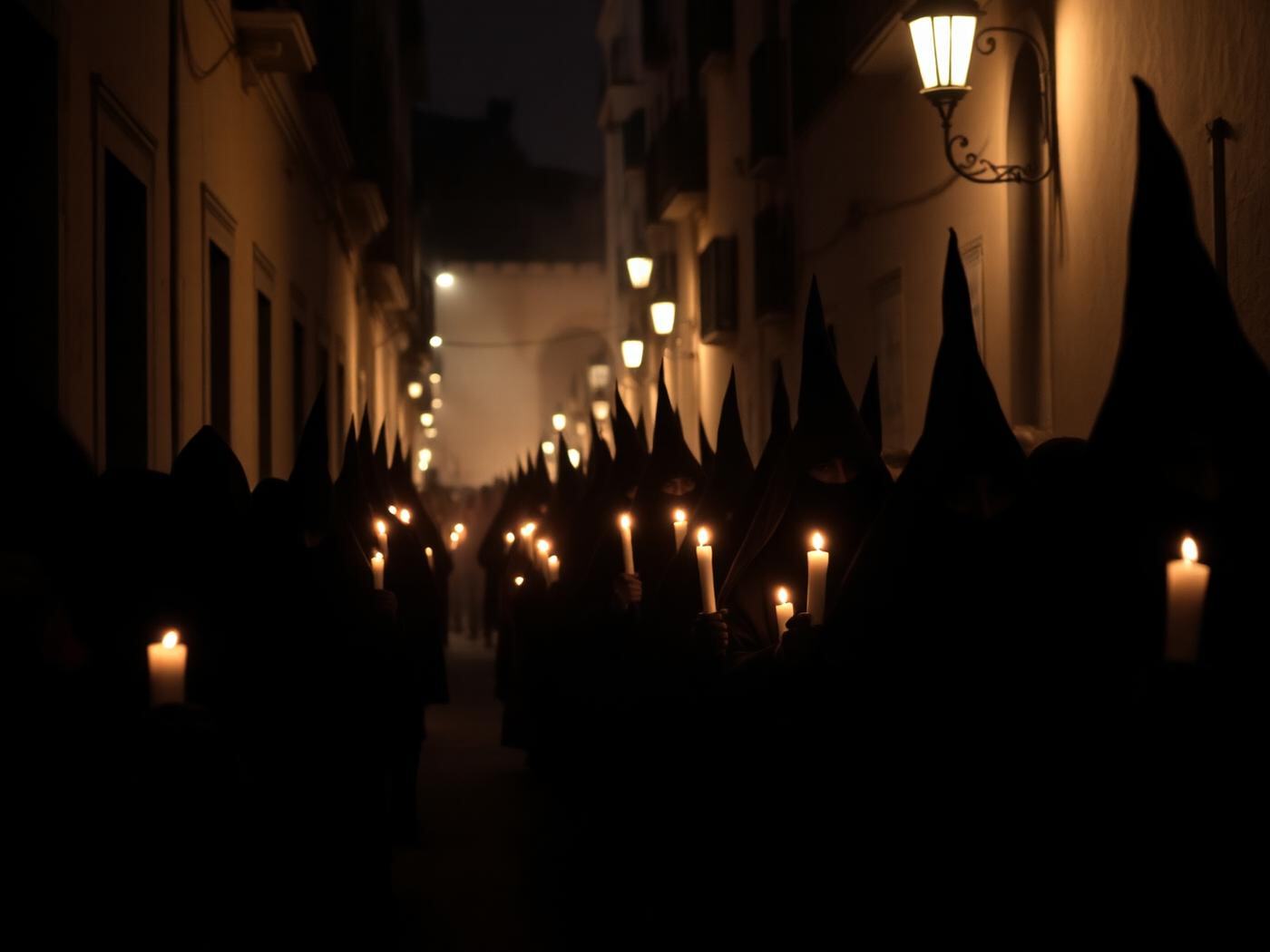
Holy Week is Seville's most intense week of the year. From Palm Sunday to Easter Sunday, around sixty brotherhoods (hermandades) carry immense carved floats — pasos — from their home church to the Cathedral and back, some walking for more than twelve hours. Nazarenos in pointed hoods lead in silence, costaleros carry the weight hidden under the float, and bands, drums and the occasional saeta sung from a balcony do the rest.

  • Peak nights: Madrugá (the early hours of Good Friday), with El Silencio, Gran Poder, La Macarena, El Cachorro and Esperanza de Triana.
  • Free to watch: any street on the official route. Paid tribunes sit on the Carrera Oficial (Campana → Cathedral).
  • The city centre closes to traffic; walking is the only realistic way around.

Local tipSkip the packed Carrera Oficial. Watch a brotherhood leave or return to its own church in Triana, San Lorenzo or San Julián — same emotion, a tenth of the crowd. Dress smart-ish, keep both hands free, and never cross a procession.
Feria de Abril

April (about two weeks after Easter)

Feria de Abril

Two weeks of another century

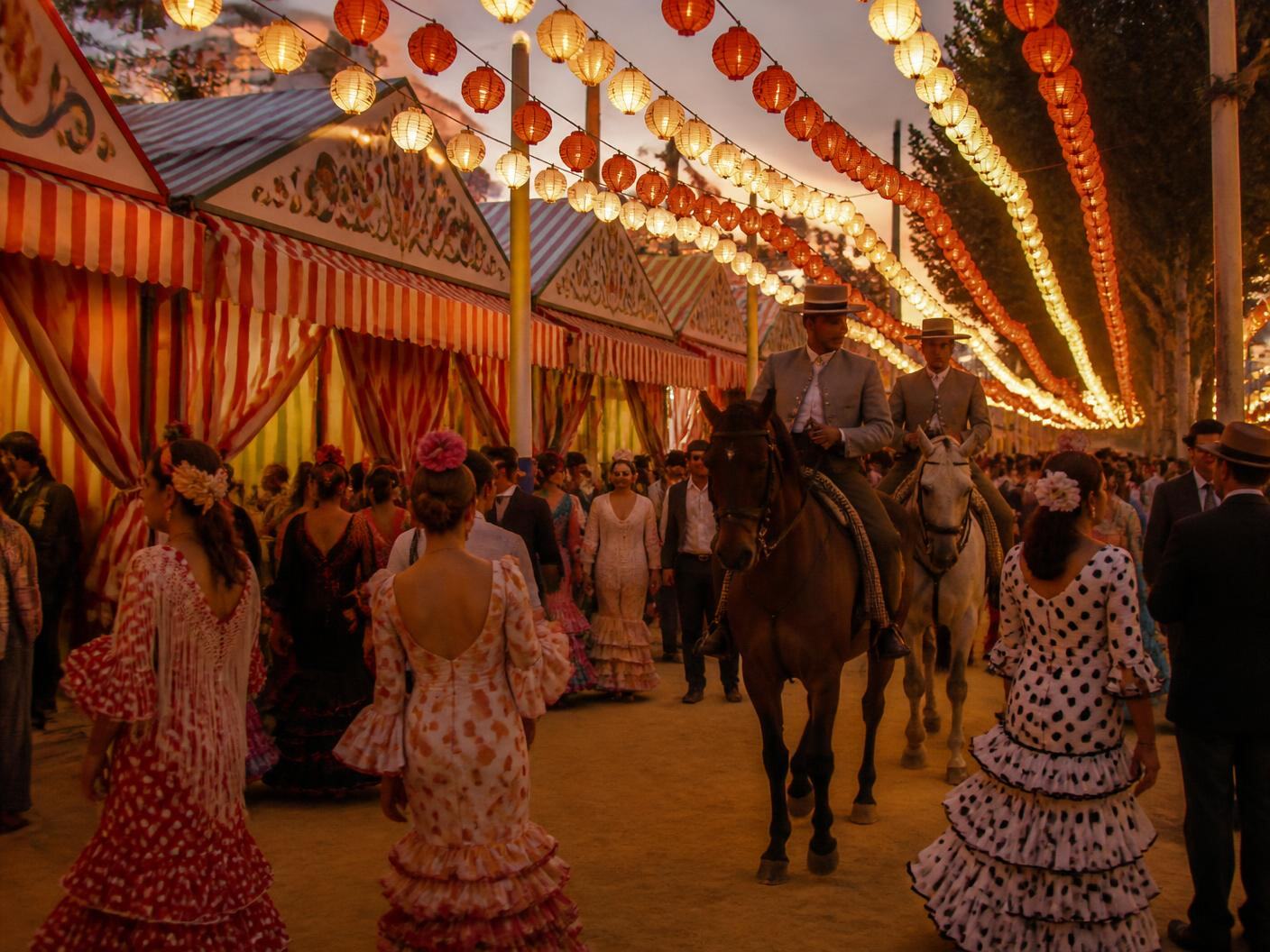
Six days of fair on the Los Remedios fairground: over a thousand casetas (decorated marquees) with sevillanas danced from lunchtime until sunrise, rebujito by the jug, women in flamenco dresses, riders and horse carriages parading every midday. It opens with the alumbrao — the switching on of the lights on Monday at midnight — and closes with fireworks on Sunday.

  • Most casetas are private (family, company or club). A handful are public and municipal, open to everyone.
  • Rhythm of the day: horses and carriages 13:00–20:00, dancing and dinner from 21:00 to dawn.
  • The bullfighting season at La Maestranza runs in parallel.

Local tipYou need a local to get you into a private caseta — that's the whole difference between watching the Feria and living it. Go on Tuesday or Wednesday rather than the weekend, and wear shoes you can dance in on sand.

Velá de Santa Ana (Triana)

Late July

Velá de Santa Ana (Triana)

The river's own party

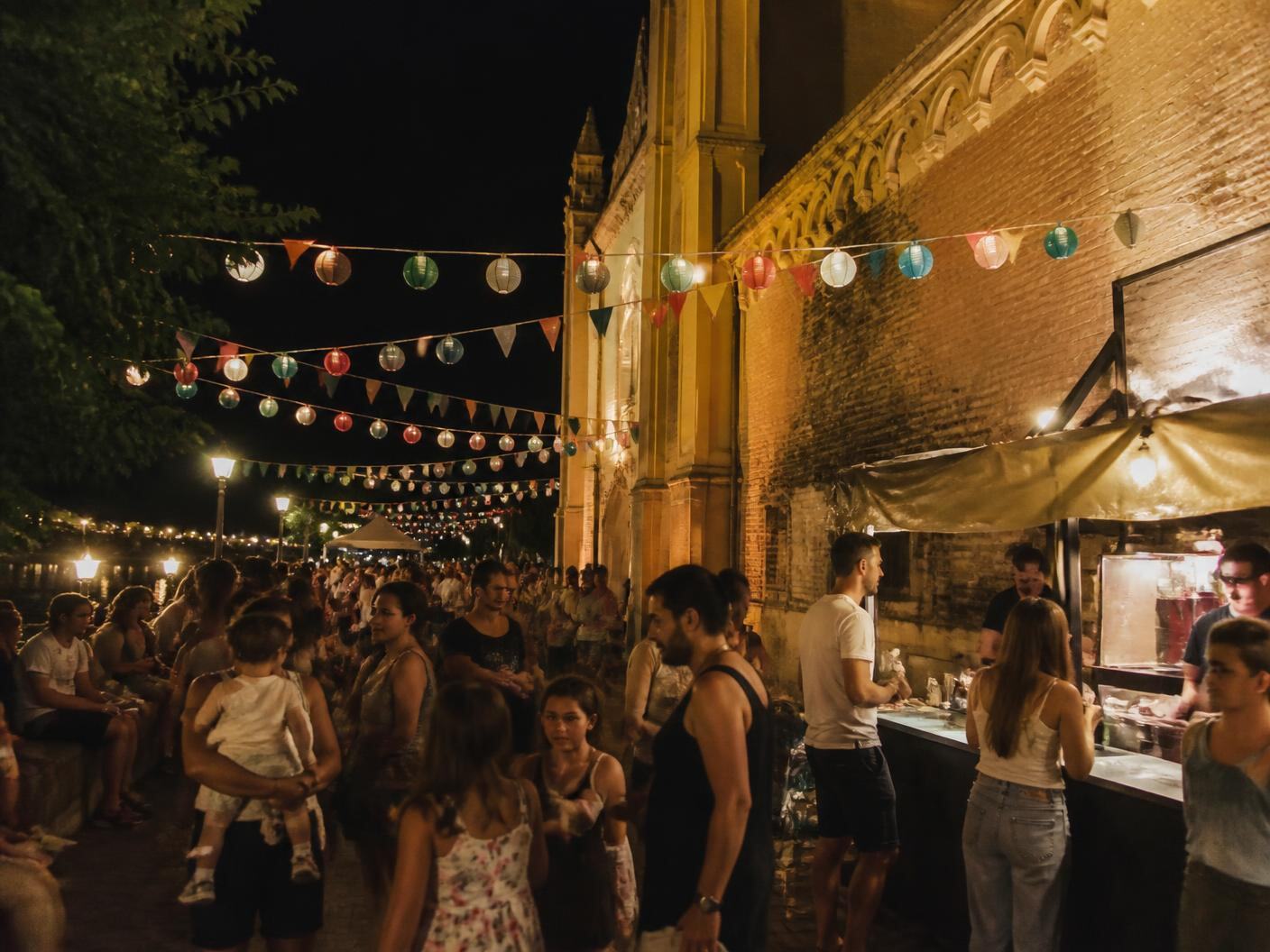
Seville's oldest popular festival, held in Triana around the feast of Santa Ana. The Calle Betis riverbank fills with stalls, lights, fried fish, live music and neighbourhood competitions — including the cucaña, where locals try to walk a greased pole over the Guadalquivir to grab a flag.

  • Free, open-air and unapologetically local — no tickets, no dress code.
  • Best hours: 21:00 onwards, when the heat drops and the river breeze arrives.
  • Ends with fireworks over the Guadalquivir.

Local tipCross the Puente de Isabel II on foot at dusk for the best light of the year, then eat standing up at any stall along Betis.

Corpus Christi

June (Thursday, sixty days after Easter)

Corpus Christi

Rosemary on the streets

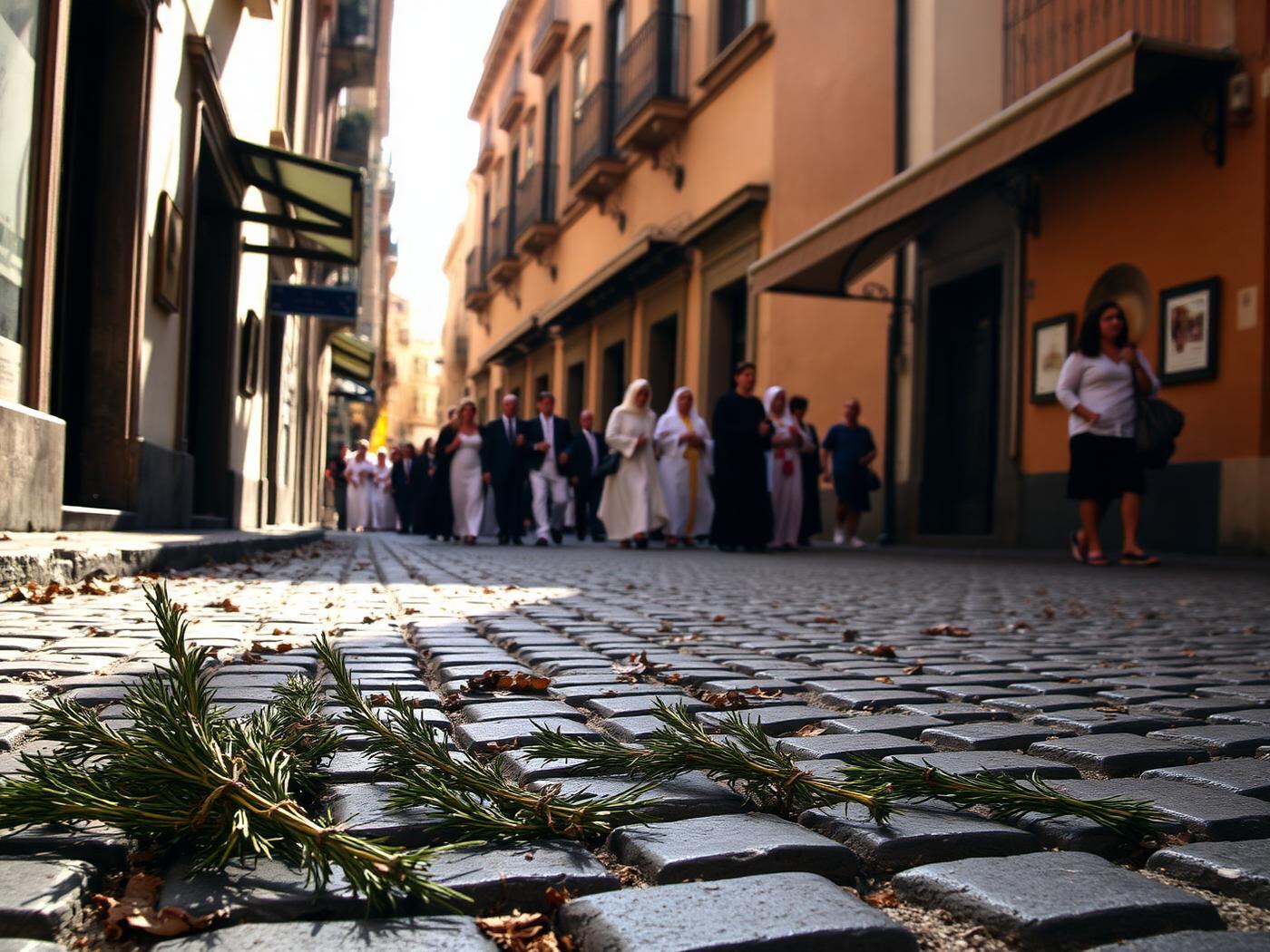
An early-morning procession that leaves the Cathedral just after 08:30 and moves through a centre carpeted in rosemary and shaded with awnings. Children who have made their first communion walk in white; the streets smell of herbs and incense. It's smaller and gentler than Semana Santa, and it's a public holiday in the city.

  • Starts early to avoid the June heat — it's over by midday.
  • Route: Cathedral, Plaza del Salvador, Sierpes, Plaza Nueva and back.
  • Traditional breakfast afterwards: pestiños or a chocolate at a historic café.

Local tipBe in place around Plaza del Salvador by 09:00. Then follow local habit: aperitivo before lunch, and nothing else planned for the afternoon.

Christmas & Three Kings

December – 6 January

Christmas & Three Kings

Nativity scenes and lights

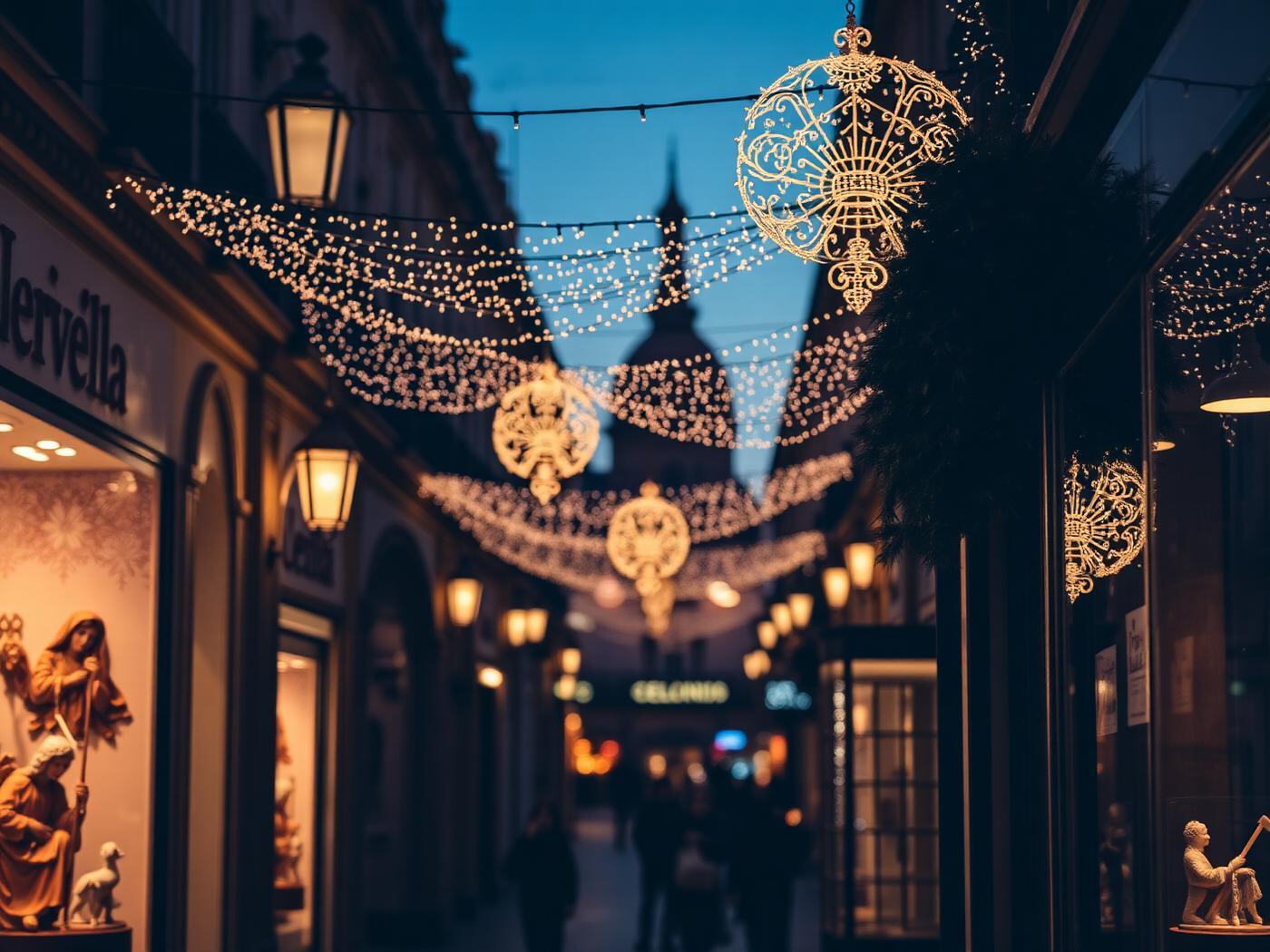
Seville does Christmas quietly and beautifully: illuminations over Tetuán and Sierpes, elaborate belenes (nativity scenes) in churches, town halls and shop windows, a market of nativity figures beside the Cathedral, and zambombas — spontaneous outdoor singalongs with sherry. It closes on 5 January with the Cabalgata de Reyes, the Three Kings parade that throws tons of sweets to the crowd.

  • The belén route is free; the Ayuntamiento and Cathedral ones are the most impressive.
  • 24 and 25 December and 1 and 6 January: most restaurants and monuments closed or on short hours.
  • Ice rink and Ferris wheel usually at Prado de San Sebastián.

Local tipMild weather, low prices and almost no queues at the Alcázar — December is the most underrated month to visit Seville.

Concerts & big shows

All year (peak May–September)

Concerts & big shows

Cartuja, Maestranza and the patios

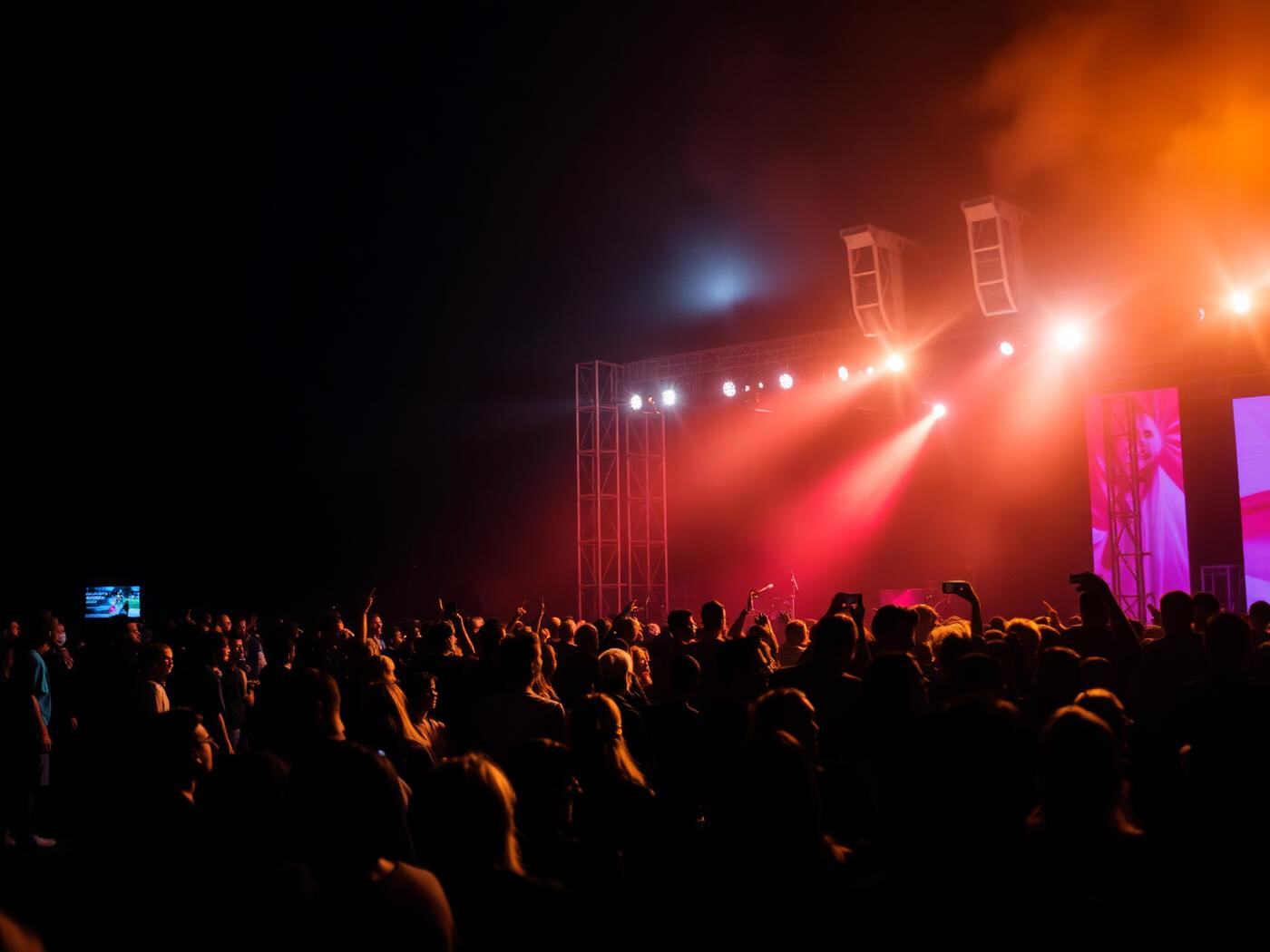
Big international tours play the Estadio de La Cartuja and the summer cycles on the island; the Teatro de la Maestranza covers opera, classical and zarzuela; the Teatro Lope de Vega and Espacio Turina host smaller, better-priced programmes. Summer adds open-air series in gardens and courtyards, when the city plays after dark by necessity.

  • Icónica Sevilla Fest (Plaza de España, summer) is the flagship open-air series.
  • Book Maestranza opera weeks ahead; local venues often sell out quietly.
  • Outdoor shows start late — 22:00 or later in July and August.

Local tipCheck what's on before you fix your dates: one concert in the Plaza de España is worth reorganising a trip for.

Festivals — flamenco, film & jazz

All year

Festivals — flamenco, film & jazz

Flamenco, film, jazz

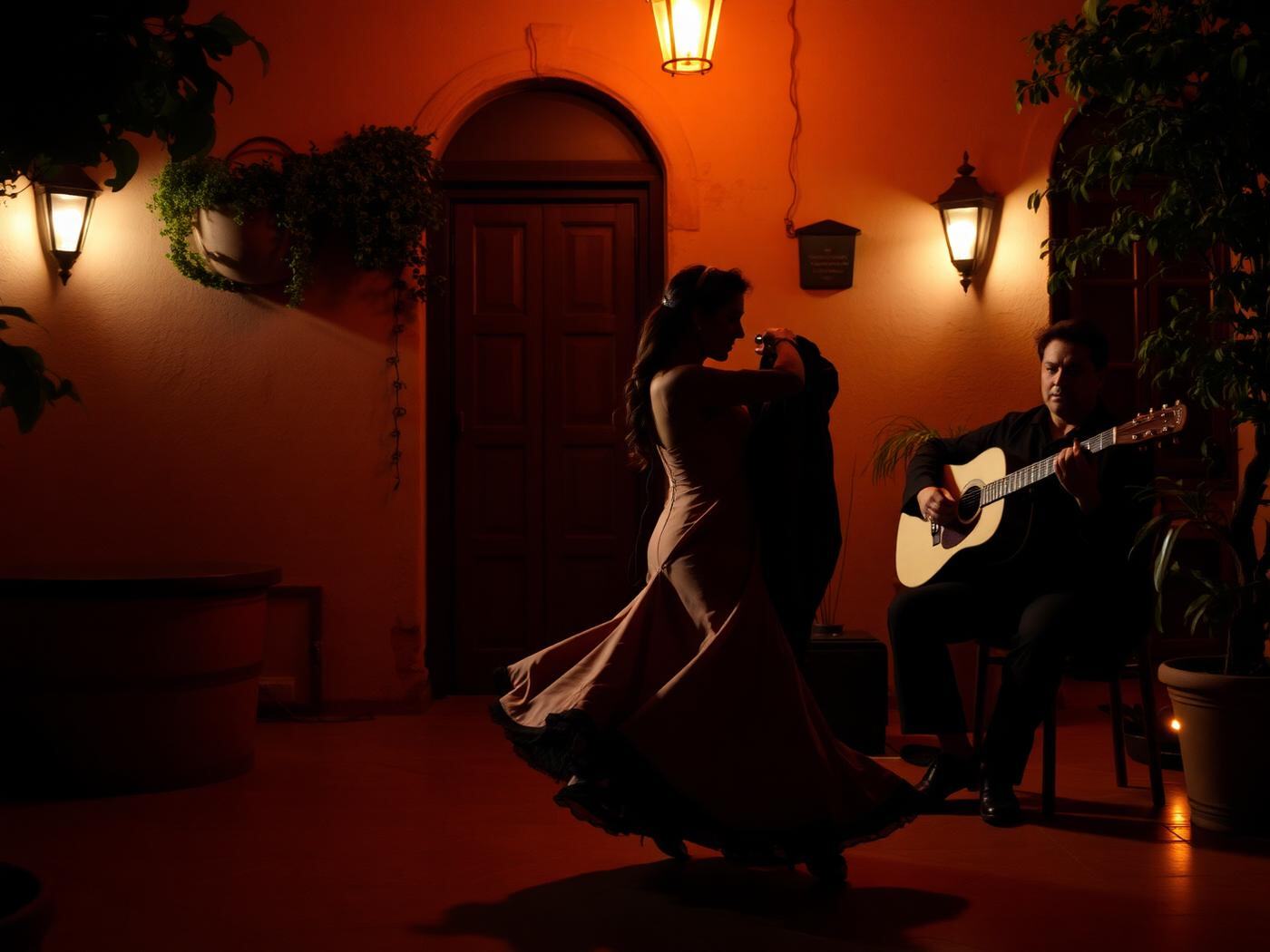
Seville's cultural calendar is dense and mostly local in feel. The Bienal de Flamenco (September, even-numbered years) is the world's most important flamenco festival. The Festival de Cine Europeo lands in November, the Noches de Ramadán and jazz cycles fill autumn, and small peñas programme flamenco all year long in rooms of forty seats.

  • Bienal de Flamenco: September, every two years, venues across the city.
  • Festival de Cine Europeo de Sevilla: early November, screenings in the centre.
  • Peñas and tablaos run year-round; peñas are cheaper and far more authentic.

Local tipFor real flamenco outside festival season, choose a peña or a small venue with no dinner service. If food is the main event, the flamenco usually isn't.

Markets

Weekends & daily

Markets

Antiques, craft and food

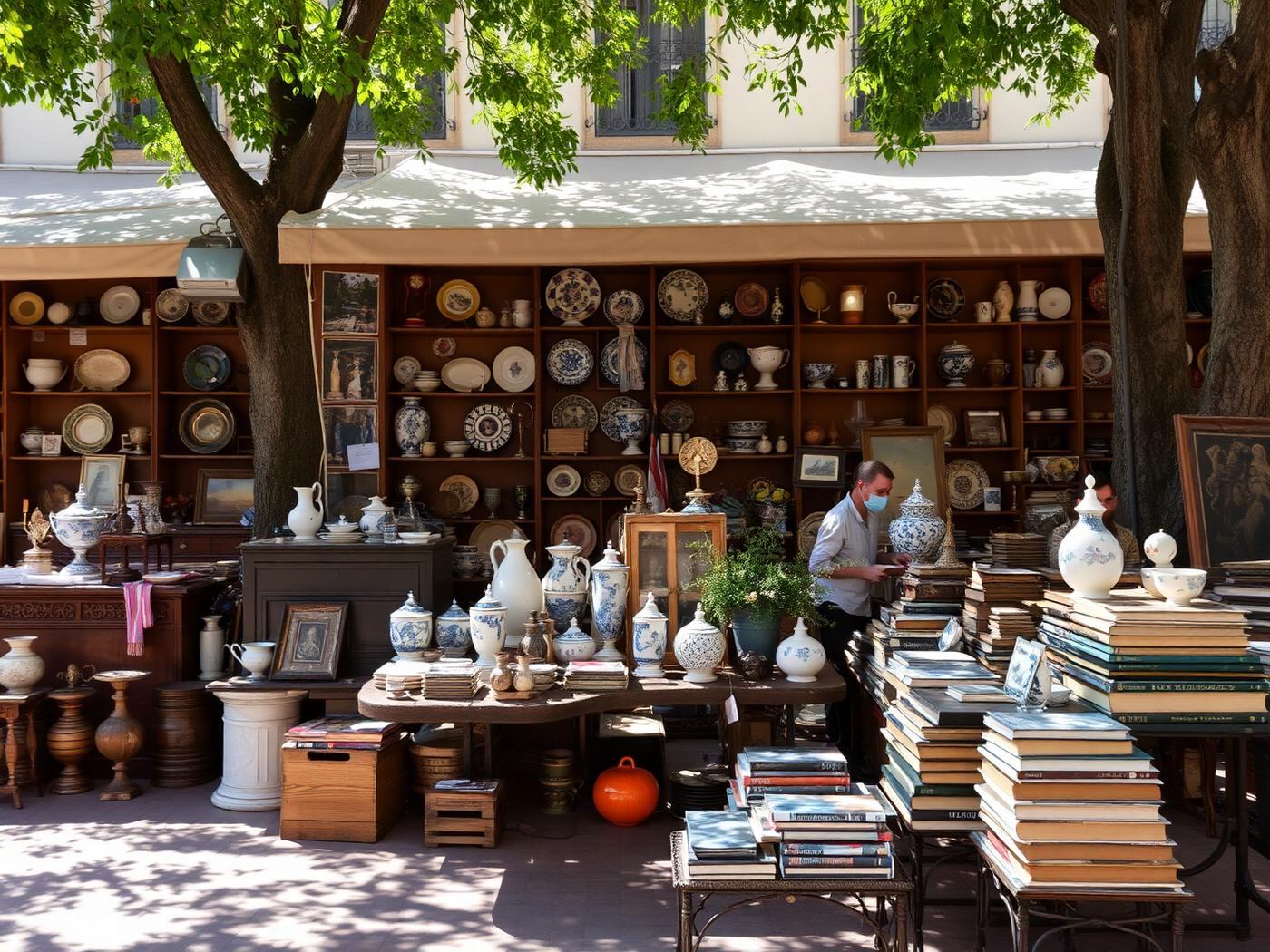
Two market layers: the daily food markets — Triana, Feria (the oldest in the city), Encarnación — where you can eat brilliantly at a counter for very little; and the weekend street markets, from stamps and coins at Plaza del Cabildo on Sunday morning to the antiques and craft stalls of Alameda and Charco de la Pava.

  • Food markets: Tuesday to Saturday, roughly 09:00–15:00. Go before 13:00.
  • Plaza del Cabildo: stamps, coins and old books, Sunday mornings.
  • Charco de la Pava flea market: Sunday, riverside, near the Cartuja.

Local tipHave lunch inside Mercado de Triana instead of the restaurants above it — same produce, half the price, twice the atmosphere.

Sport — Betis, Sevilla & the derby

Season: August – May

Sport — Betis, Sevilla & the derby

Two clubs, one divided city

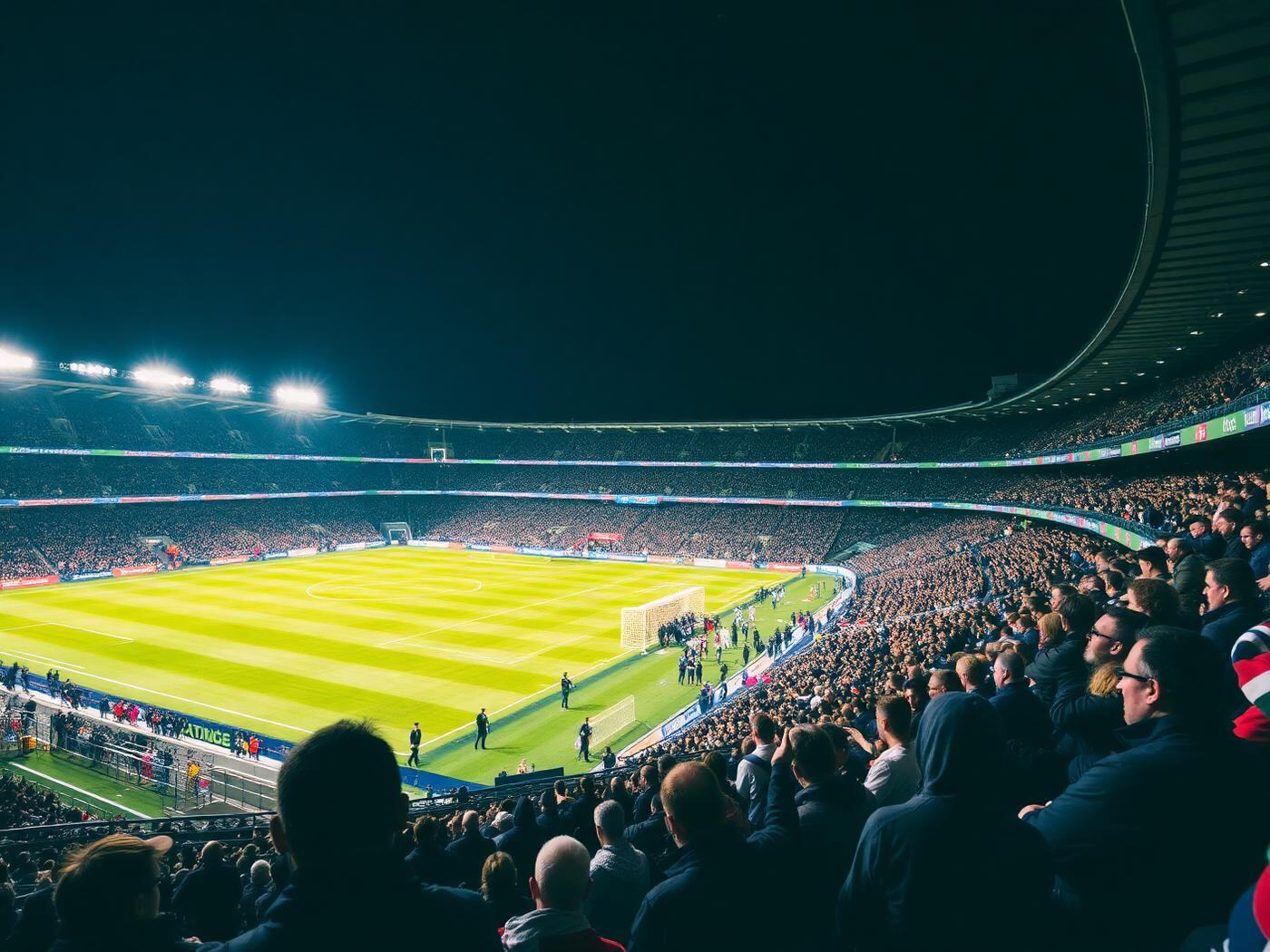
Seville is a two-club city and takes it personally: Real Betis at the Benito Villamarín (Heliópolis, south) and Sevilla FC at the Ramón Sánchez-Pizjuán (Nervión, east). The derby is one of the most hostile and spectacular in Europe. Add the Zurich Maratón de Sevilla in February — flat, fast and famous for personal bests.

  • Tickets go on sale through each club a few weeks before the match; derby tickets are effectively members-only.
  • Kick-off times are confirmed only ~10 days ahead — don't plan the whole day around one.
  • Seville Marathon: February, one of the flattest courses in Europe.

Local tipEven without a ticket, watch a match in a neighbourhood bar in Heliópolis or Nervión. That's where the city actually lives the game.

WhatsApp