Explore
The guide begins here
Eleven ways into the city. Each article is written like a magazine feature — one place, properly understood.
Categories
Choose your entry point
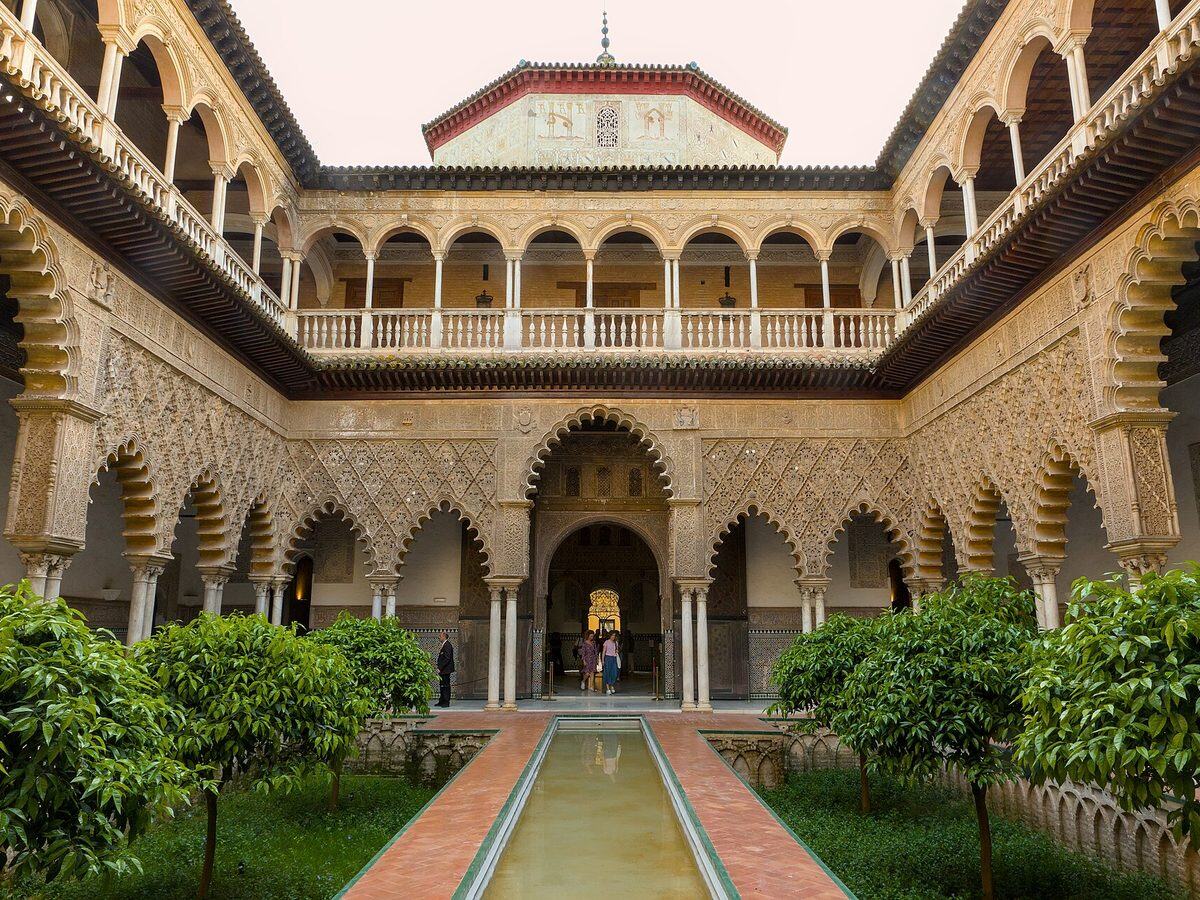
The Cathedral, the Real Alcázar and the Plaza de España are unavoidable — and they deserve to be. The trick is timing, not skipping: first slot of the morning or the last two hours of light, tickets bought weeks ahead, and a clear idea of what you came to look at.
- Real Alcázar — book the first entry of the day; the Ambassadors' Hall is empty for twenty minutes.
- Cathedral & Giralda — enter through Puerta del Príncipe; the ramp up the tower has 35 slopes, no stairs.
- Plaza de España — go at 8am for the tiles, at sunset for the light.
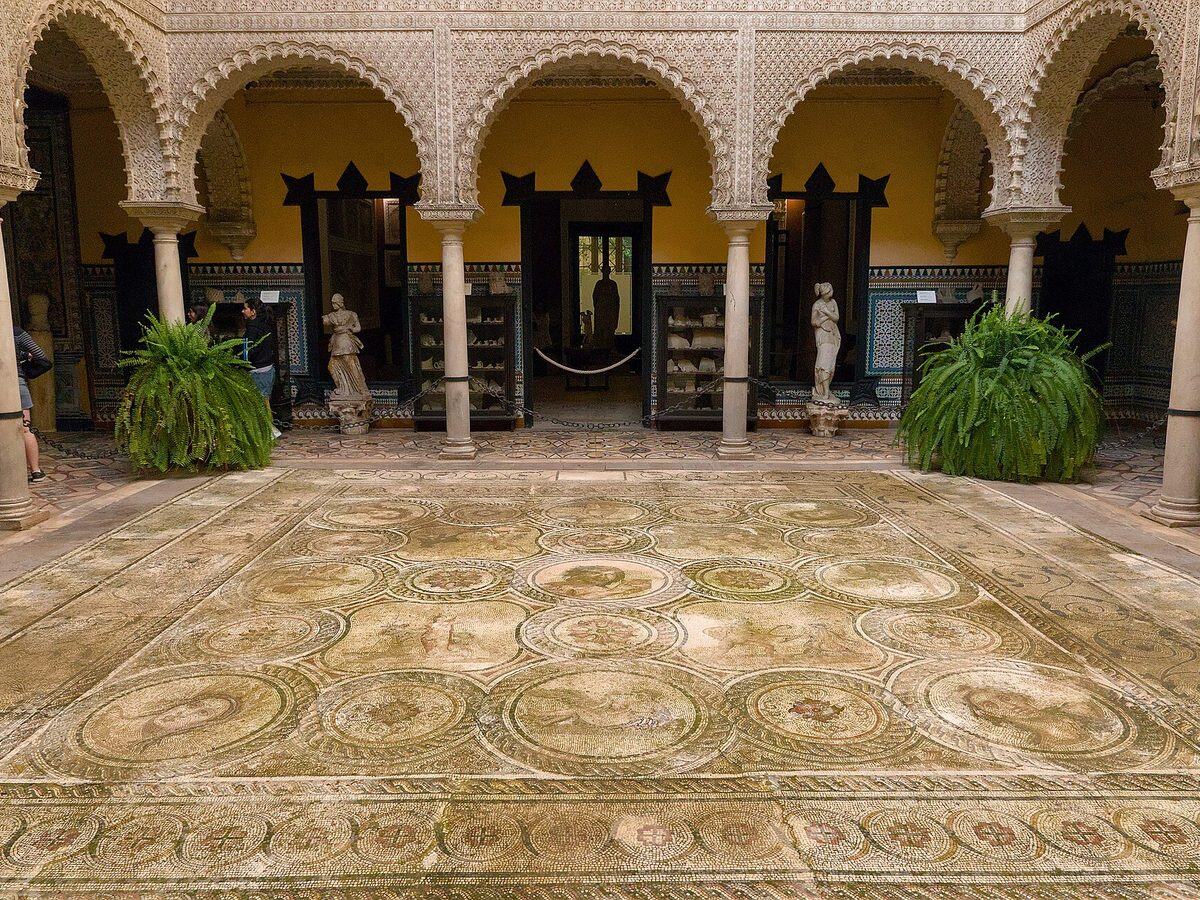
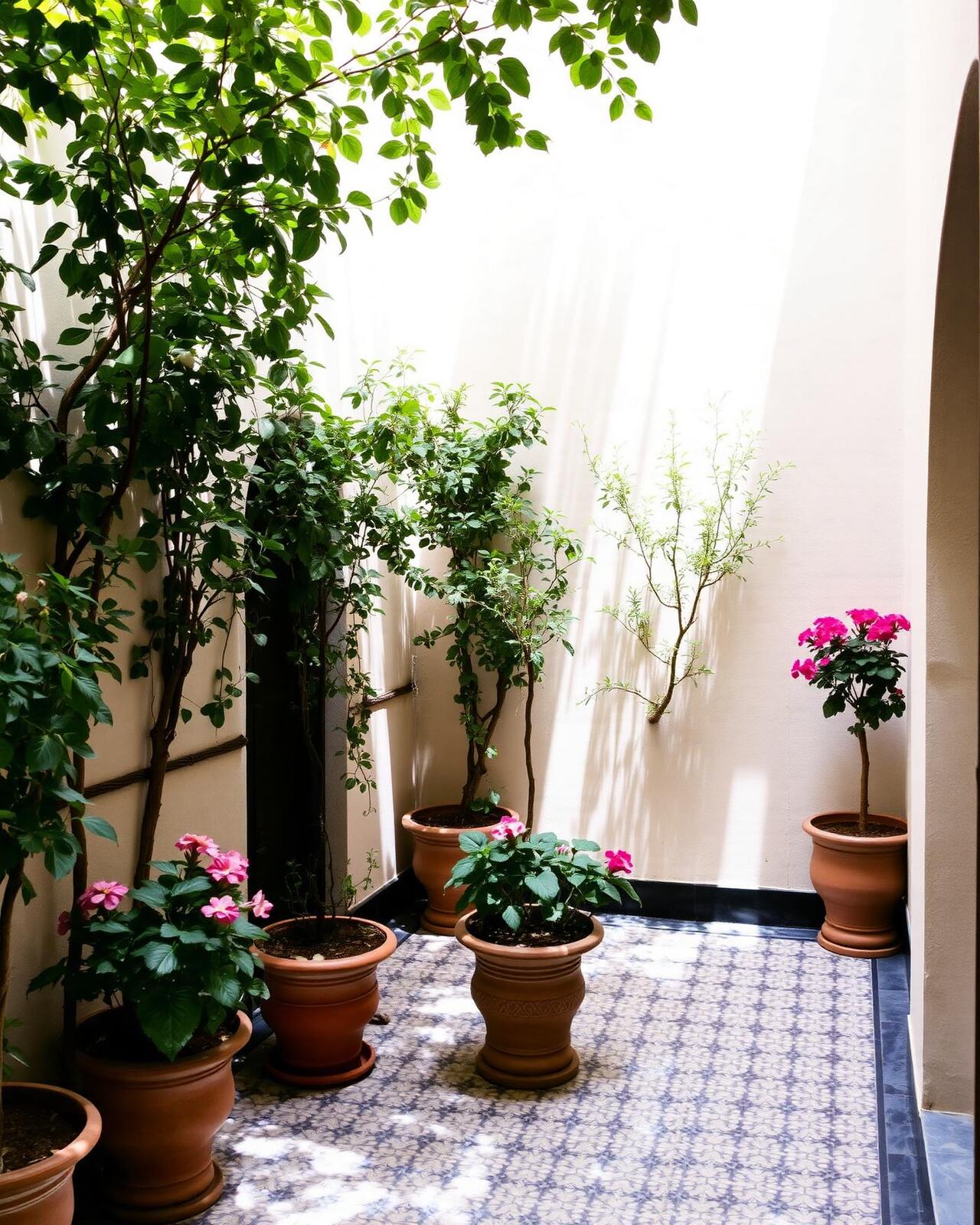
Seville hides better than it shows. Behind unmarked doors there are courtyards, chapels with a single painting, and rooftops nobody queues for. These are the places we send friends to, not crowds.
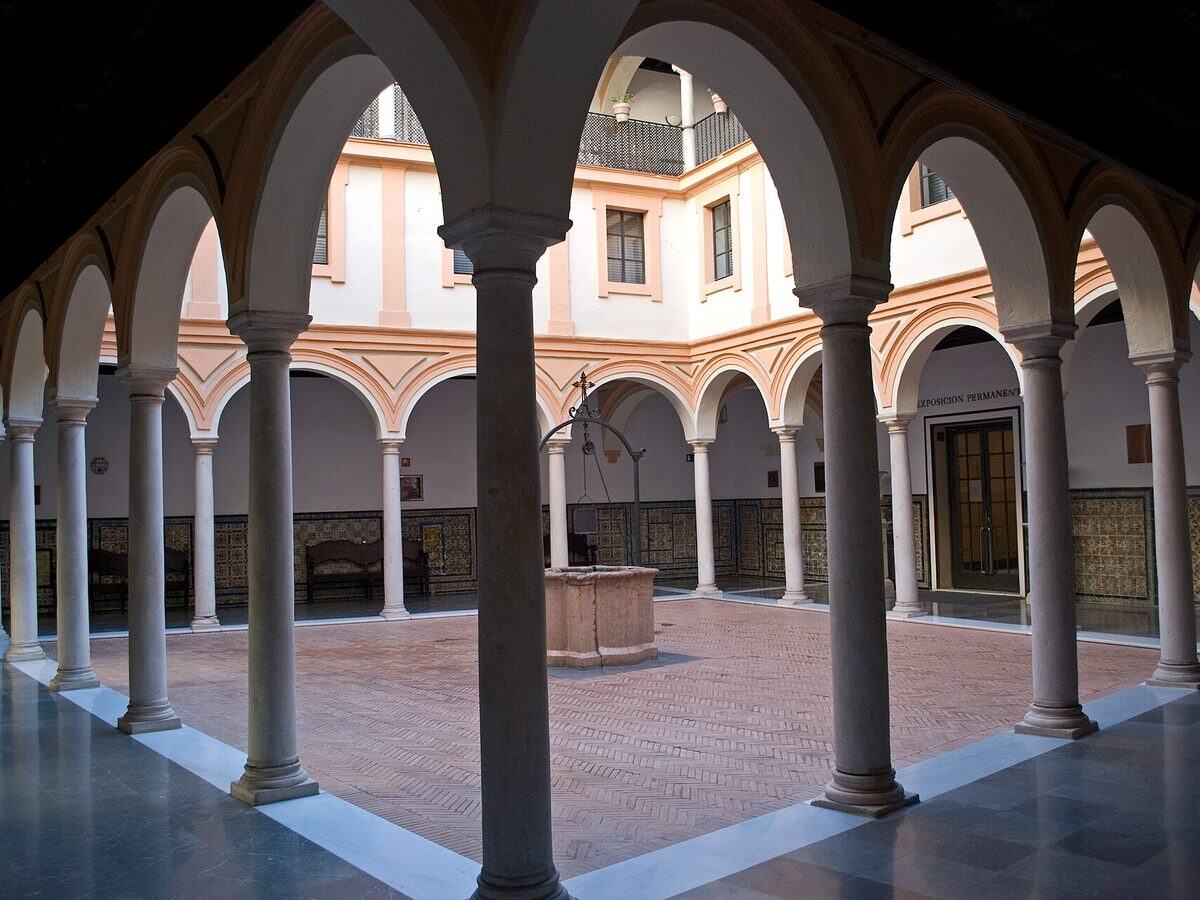
- Hospital de los Venerables — a Baroque courtyard with water running through the middle.
- Casa de Salinas — a private house with a Roman mosaic under the patio.
- Palacio de Lebrija — three floors of antiquities and no queue.
Seville's museums are small enough to finish and rich enough to return to. The Bellas Artes holds the second-best collection of Spanish painting in the country; the Archaeological Museum keeps the gold of El Carambolo. Go for one room, not for the whole building.
- Museo de Bellas Artes — Zurbarán and Murillo in a former convent.
- Museo Arqueológico — Tartessian gold, Roman Italica in fragments.
- Centro Andaluz de Arte Contemporáneo — contemporary art inside a Carthusian monastery.
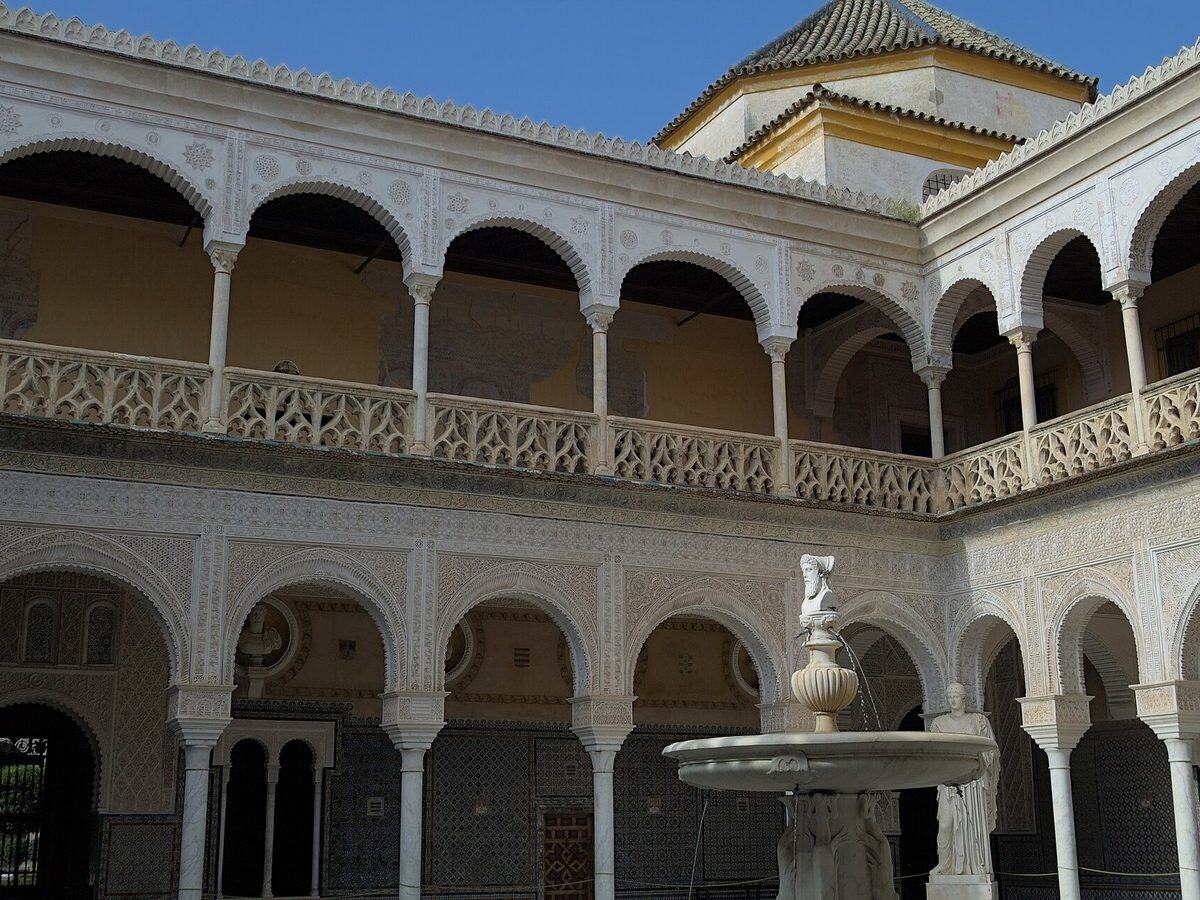
Seville is a lesson in layering: Almohad brick, Mudéjar plaster, Gothic vaults, Baroque excess, Regionalist ceramics from 1929, and Nieto Sobejano's Setas. Walk it chronologically and the city stops feeling random.
- Casa de Pilatos — Mudéjar geometry meeting Italian Renaissance.
- Plaza de España — Aníbal González's 1929 Regionalism at full volume.
- Setas de Sevilla — the largest timber structure in the world, and a viewpoint.
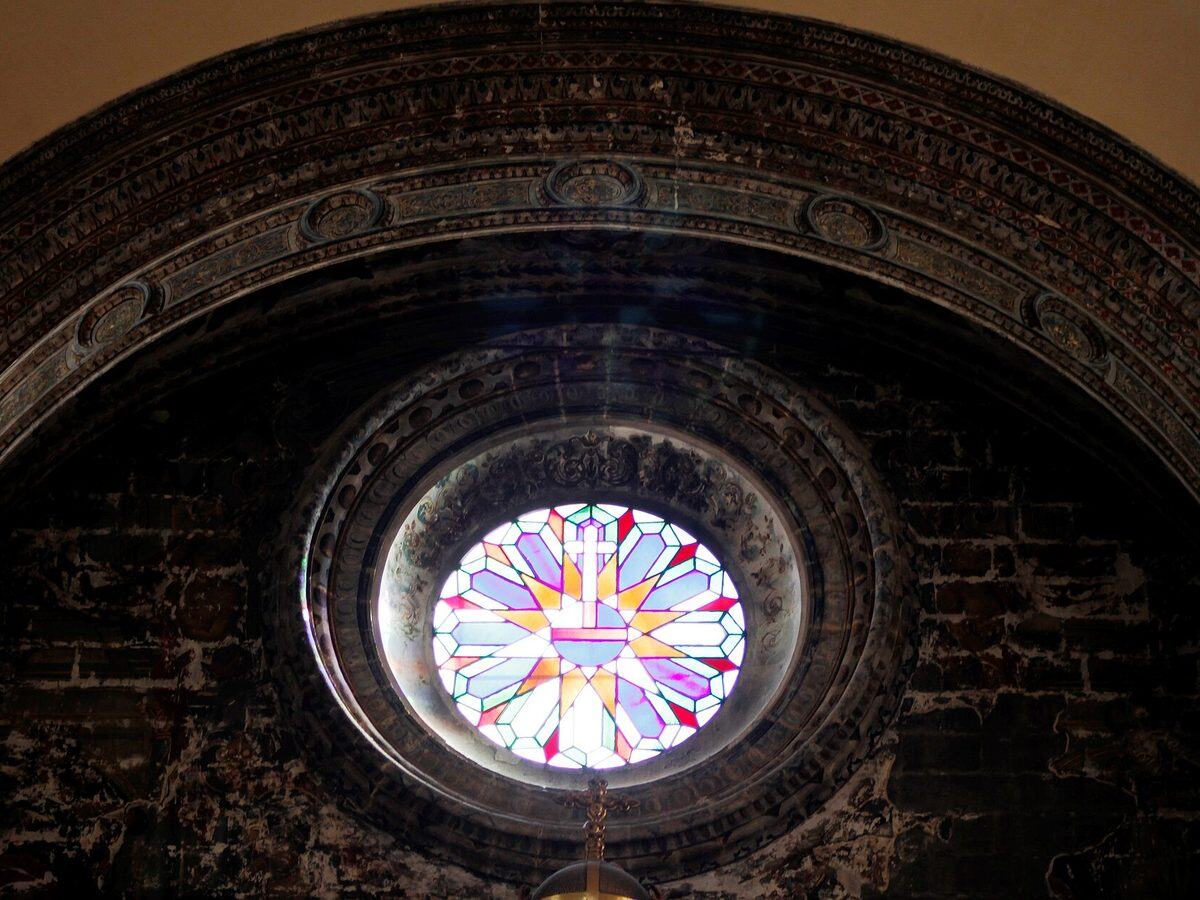
There are more than seventy churches inside the old walls. Most are dark, free, and half-empty. Sit down for ten minutes in one and you will understand more about Seville than in any museum: the gilded altarpieces, the mourning Virgins, the brotherhoods that still own the street.
- Basílica de la Macarena — the city's most loved Virgin, behind glass.
- Iglesia del Salvador — a Baroque interior built over a mosque.
- San Luis de los Franceses — a circular Jesuit church, pure theatre.
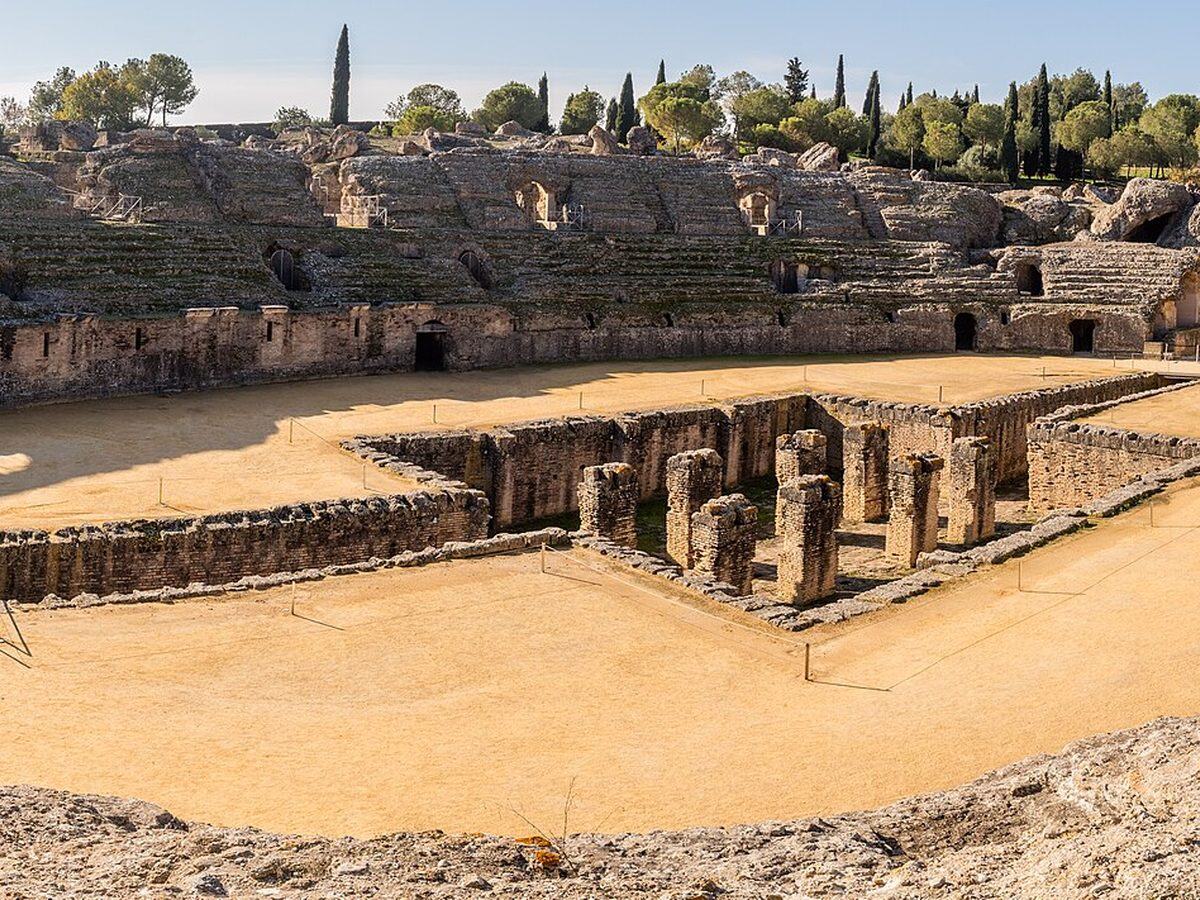
Before Seville was Sevilla it was Hispalis, and nine kilometres north stood Italica — birthplace of the emperors Trajan and Hadrian. Its amphitheatre held 25,000 people and still does, on screen, for Game of Thrones.
- Italica (Santiponce) — amphitheatre, mosaics, and almost no shade.
- Antiquarium — the Roman city under the Setas, in situ.
- Columns of the Alameda — two Roman shafts standing since the 16th century.
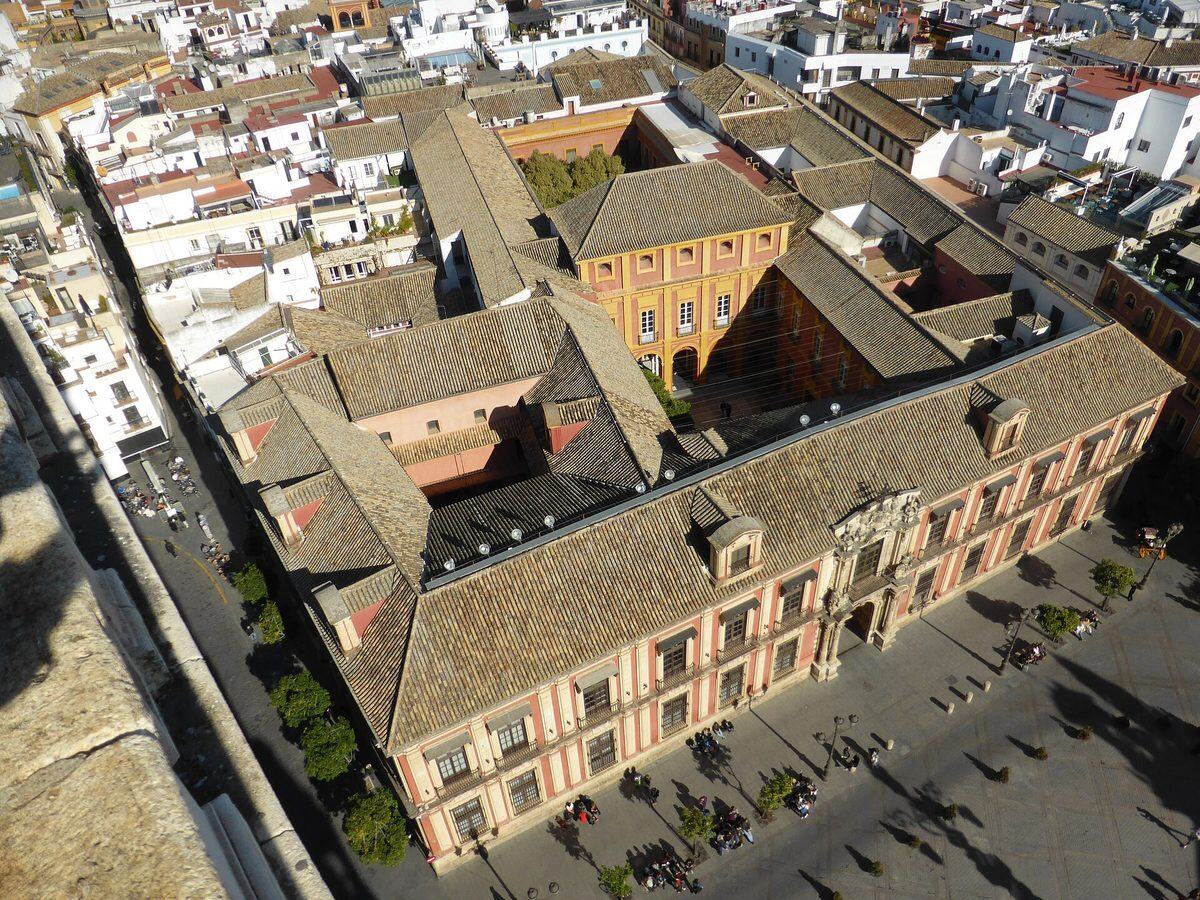
Five centuries of Islamic Seville left the shape of the city: the winding streets of the old medina, the Giralda as a minaret, the Torre del Oro guarding the river, and the logic of water and shade that still makes August survivable.
- Alcázar's Patio del Yeso — the oldest Almohad fragment left standing.
- Giralda — a 12th-century minaret with a Renaissance belfry on top.
- Baños de la Reina Mora — Almohad baths inside a private house.
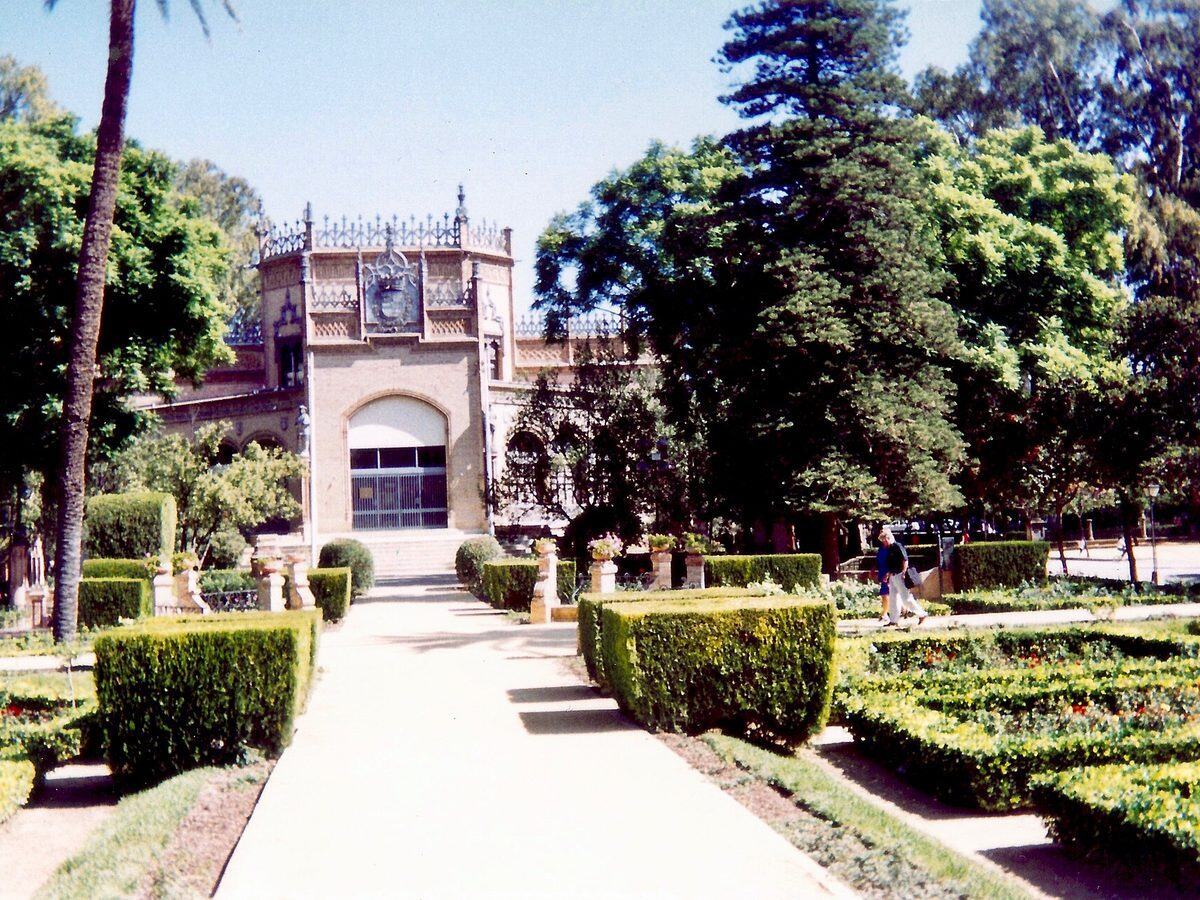
In a city that reaches 45°C, parks are infrastructure. María Luisa is the great one — twelve hectares of ficus, tiled benches and lost fountains — but the small gardens matter more in daily life.
- Parque de María Luisa — the Plaza de América at the far end, mostly empty.
- Jardines de Murillo — orange trees against the Alcázar wall.
- Alamillo — where Seville runs, cycles and watches the river.
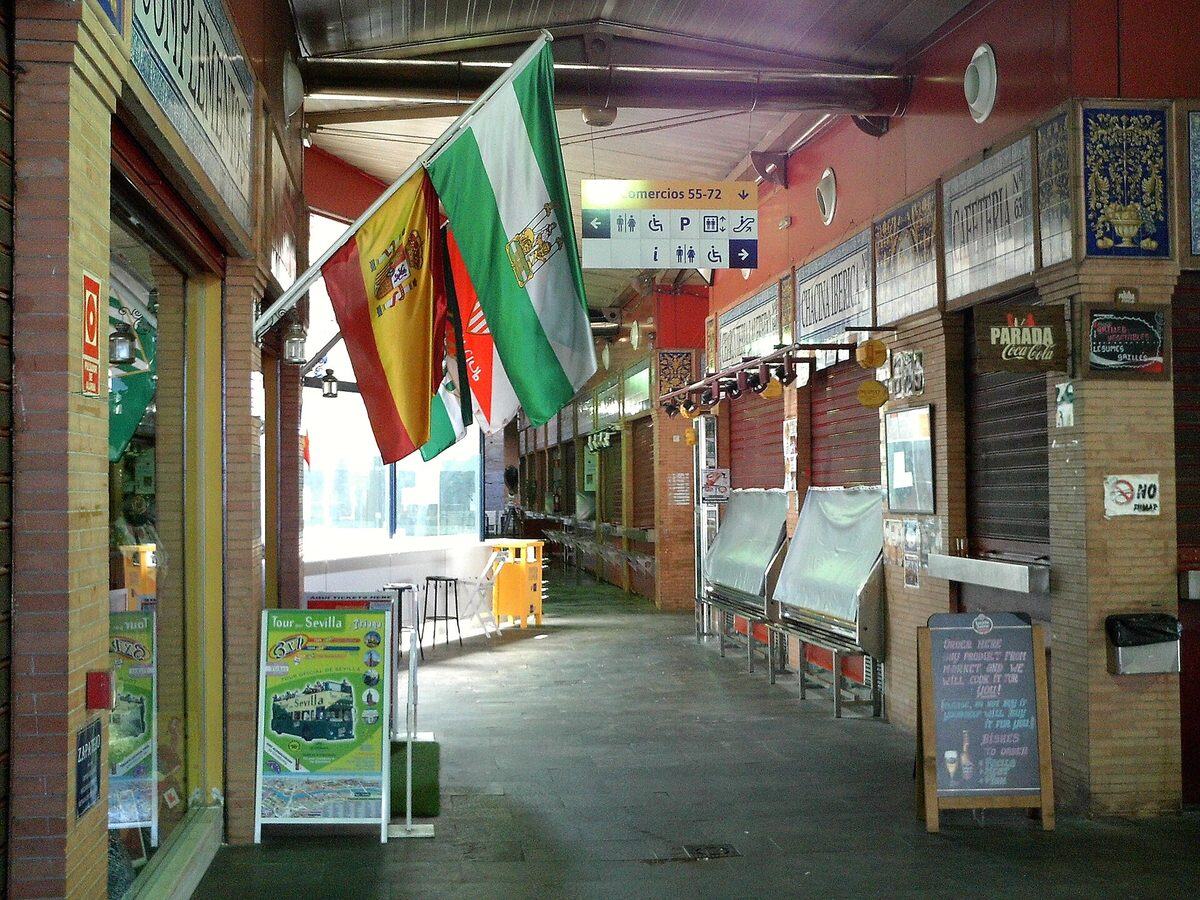
The market is where the city talks. Arrive before 11am, order a beer at the counter inside, and eat what the fishmonger recommends. By 2pm the shutters come down and the day is over.
- Mercado de Triana — built over the ruins of the Castillo de San Jorge.
- Mercado de la Encarnación — under the Setas, small and local.
- Mercado de Feria — the oldest in the city, with a bar in the middle.
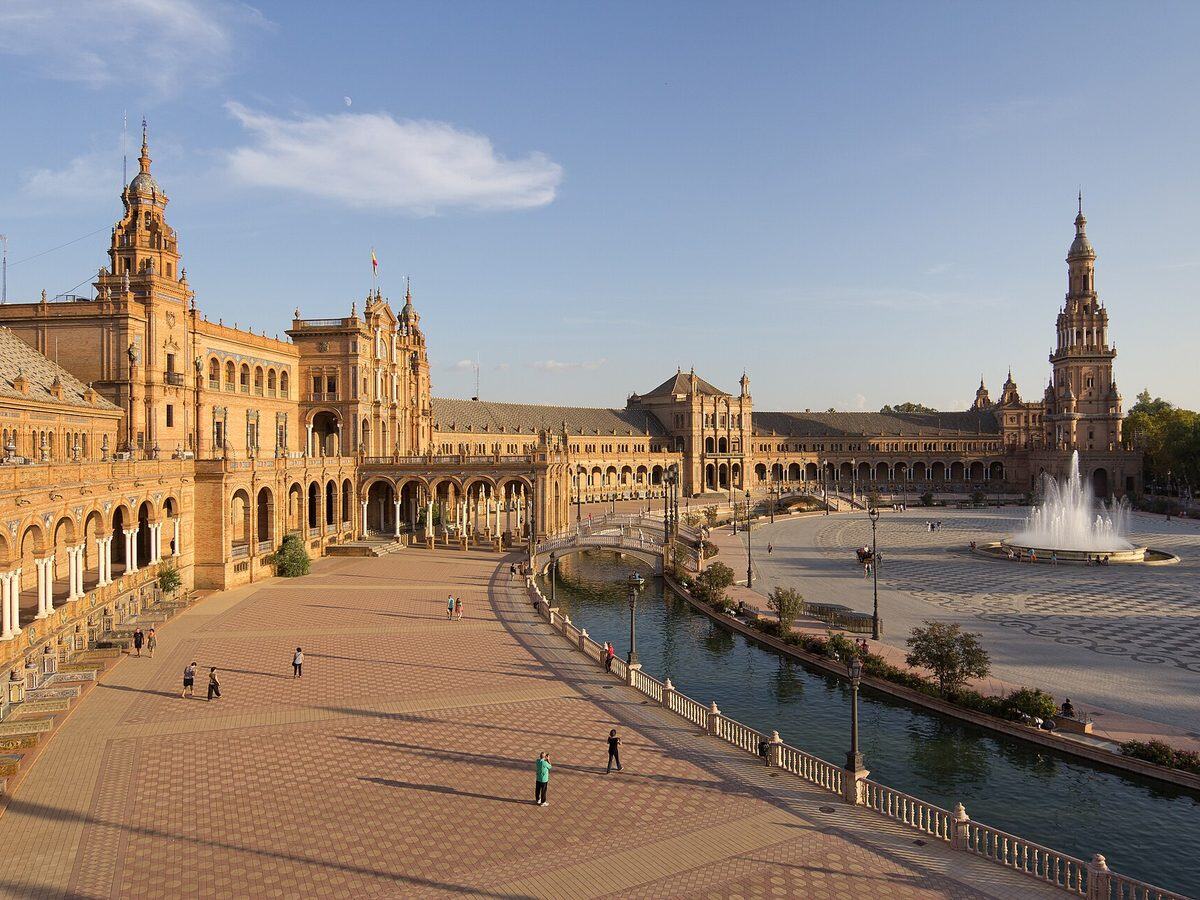
Sevillian life happens in plazas: a church on one side, a bar on the other, orange trees in between. Sit down, order something, and stay longer than you planned.
- Plaza del Salvador — the city's standing-up aperitif, beer in hand.
- Plaza de Santa Cruz — a wrought-iron cross and almost no noise.
- Plaza de la Alfalfa — Sunday mornings, birds and vermouth.
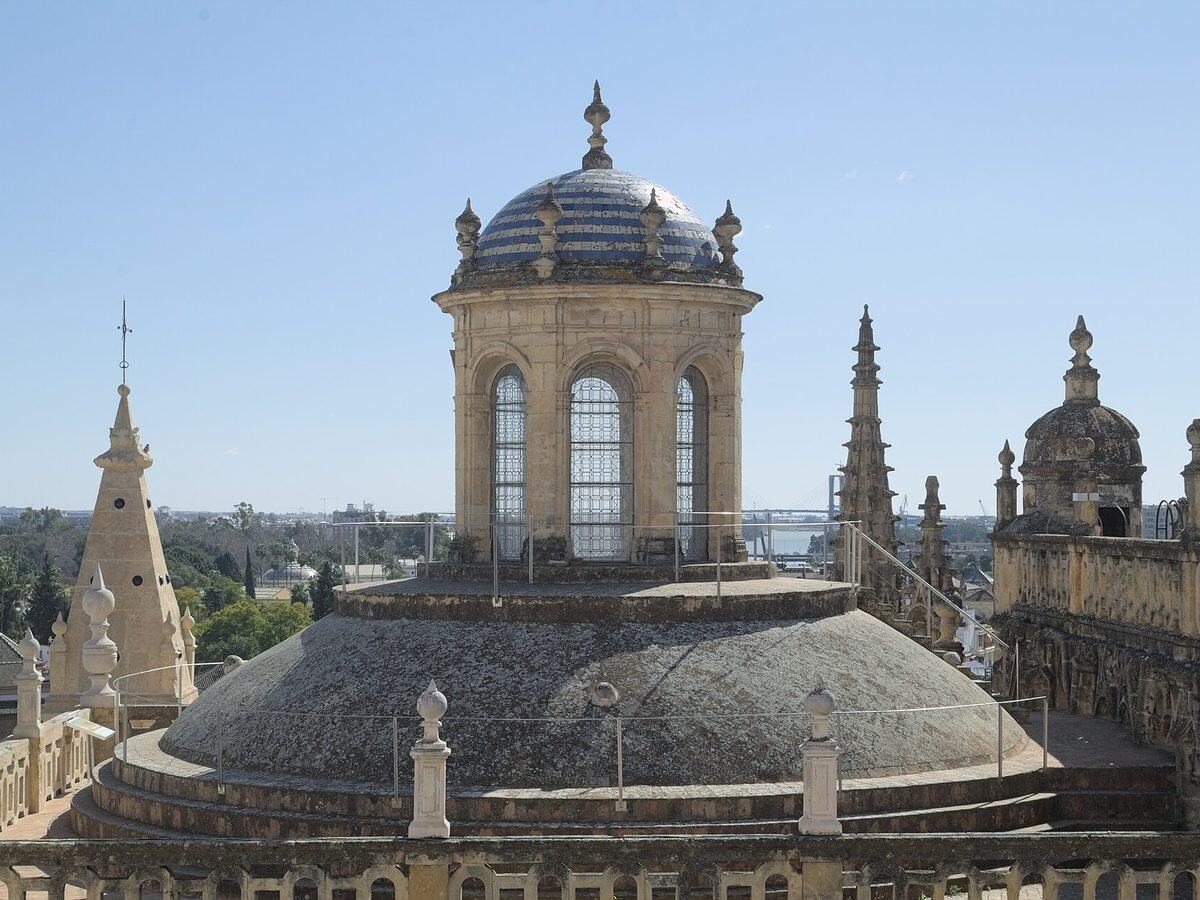
Some monuments here are less about beauty than about what happened around them: a tower that received the gold of the Americas, a bullring that defined a city's calendar, a tobacco factory that became a university and, before that, an opera.
- Torre del Oro — the river tower, and a tiny naval museum.
- Real Maestranza — the oldest bullring in Spain, guided tours daily.
- Fábrica de Tabacos — Carmen's factory, now the university.
Category photographs sourced from Wikimedia Commons under Creative Commons licences.
Anatomy of an article
What every piece gives you
A large photograph, a map, and the practical detail you actually need — never buried under banners.